Industry
Part of Value, upkeep and fit: a three-part test for unusual roadside stops
Who really knows the unusual roadside stops worth seeing: staff or guides?
Where to find people who know odd roadside sites: interagency visitor centers, monument museums, field offices and the local groups that co-manage them.
What to take away
- Visitor centers are the best free guides available, and most people drive straight past them.
- Interagency centers cover several agencies at once, which suits routes crossing boundaries.
- Museums attached to monuments explain what you are about to look at, which changes the visit.
- Paid guides beat staff at restricted sites: Monument Valley backcountry, Antelope Canyon and the Canyon de Chelly floor.
- Guide rates typically run $75 to $175 per person for half-day Navajo Nation tours. Dalton Highway day tours run about $300.
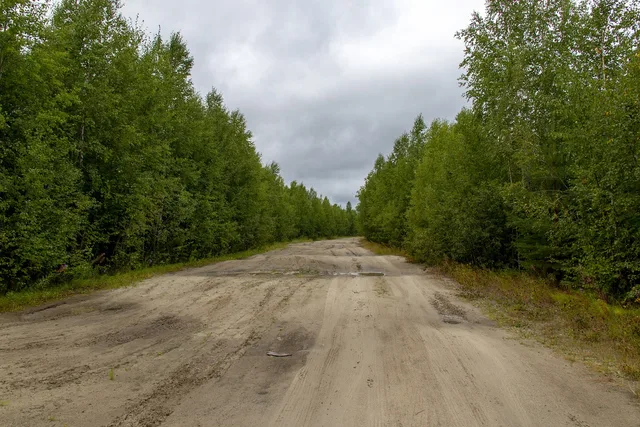
- Ask staff about road conditions first. It is the question they answer best and travelers ask least.
Unusual stops rarely come with a guide standing at the gate. The knowledge sits in offices, museums and cooperating associations rather than in a booking system. Staff are free and current. Guides cost money and hold permits for places staff cannot take you.
Interagency visitor centers
On routes that cross agency boundaries, an interagency center saves several phone calls. The Arctic Interagency Visitor Center in Alaska is the model: opened in 2004 as a partnership between the BLM, the National Park Service and the Fish and Wildlife Service, located off the Dalton Highway at mile 174.8 near Coldfoot.
It is typically open from late May through early September, with a nightly ranger talk and staff on hand to answer questions about road conditions, weather and trip planning. All events there are free.
Note what is on offer: road conditions and trip planning, from people who were on those roads this week.
Monument and museum visitor centers
Where an odd stop is cultural rather than geological, the museum attached to it is the guide. The Canyons of the Ancients Visitor Center and Museum in Dolores, Colorado is headquarters for the monument and holds permanent exhibits including real artifacts, a replica pithouse and two short films.
Two archaeological sites sit on the grounds. Half an hour there changes what you see at every site afterwards.
Field offices, for the questions nobody else answers
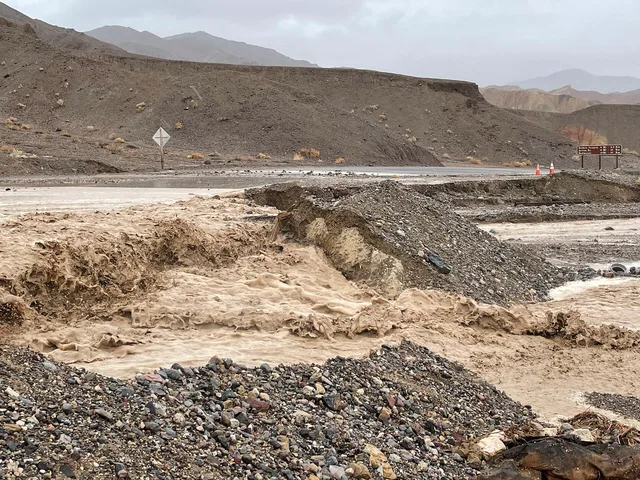
Call the managing field office for anything the website does not cover: whether a gravel road has been graded, whether a wash is running, whether a site is closed.
For Canyons of the Ancients, that is the BLM Tres Rios Field Office in Dolores. Field offices will not usually recommend a commercial operator by name, but they will tell you who holds permits in the area, which is more useful anyway.
Cooperating associations, local partners and paid guides
Many sites are run jointly with a nonprofit or a local chapter. Those partners often hold the deepest knowledge of a particular place. Bookstores inside visitor centers are usually run by a cooperating association, and the person behind the counter frequently knows the sites better than any published guide.
Local four-wheel-drive clubs, rockhound societies and astronomy groups are the equivalent for particular kinds of odd stop. They have no reason to oversell a site and they visit constantly, which makes their sense of current conditions unusually reliable.
Most publish a meeting schedule and answer polite questions from travelers who are honest about being visitors.
Paid guides are the other source. They beat staff on restricted sites, because only permitted operators can enter. They also provide transport, gear and cultural interpretation. Staff beat guides on price and current road conditions across agency lines.
- Northern Alaska Tour CompanyArctic Circle day tours on the Dalton Highway from Fairbanks to Coldfoot. Rates typically about $300; 12 to 14 hours; late May to early September.
- Monument Valley SafariNavajo-guided tours in Monument Valley Navajo Tribal Park, 2.5 hours to full day. Typical $85 to $175 per person, permits included.
- Thunderbird Lodge Toursguided Canyon de Chelly tours in Chinle, Arizona. Half-day rates typically $75 to $120; a guide is required for the canyon floor beyond White House Ruin Trail.
- Antelope CanyonKen's Tours, Antelope Canyon Navajo Tours and Adventurous Antelope Canyon Photo Tours run required Navajo-guided trips near Page, Arizona. Standard tours typically $50 to $120 per person plus the Navajo Nation permit fee, often $8.
Compare them on four criteria: cost, access, current conditions and interpretation. Staff win cost and current conditions. Guides win access, transport and cultural context. For a roadside oddity on public land, start with staff. For a slot canyon, tribal park backcountry or canyon floor, book the guide.
What to ask, in order
- Is the access road passable this week, and in what vehicle?
- Is anything closed, and for how long?
- What is the best time of day to be there?
- What do most visitors get wrong here?
- Is there anything nearby that is better and that we have not heard of?
The last question is the one that produces the good answers. Feed what you learn back into the shortlist using odd stops compared for value, upkeep and fit, and rebuild the day around it with planning odd stops without rushing them.