Guides
Part of Value, upkeep and fit: a three-part test for unusual roadside stops
No water, no shade: packing correctly for unusual roadside stops
A packing list for odd roadside sites with no water, no toilets and no shade, plus what to carry for wildlife country and rough approach roads.
What to take away
- Assume no water, no toilets and no shade unless the site page says otherwise.
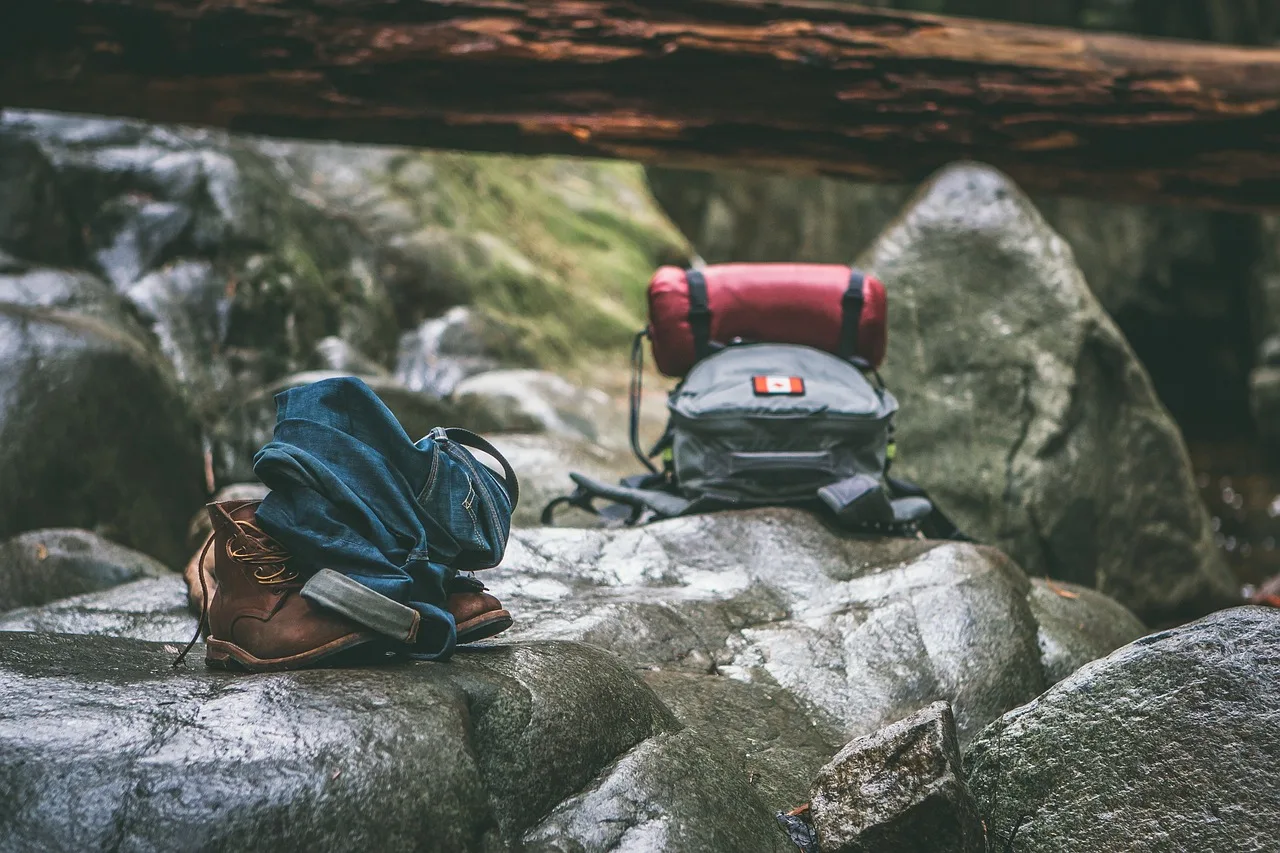
- Footwear matters more here than anywhere else. Loose rock and sand end visits early.
- Carry your own shade. Most odd stops have none, and that decides how long you can stay.
- In predator country, know the guidance before you need it, not after.
Odd stops are unserviced by nature. That is why they are interesting, and why they need a different kit from a national park day. Pack for a place that provides nothing.
Assume nothing is provided
Read the site page for the words water and toilets, and take the answer literally. The BLM's page for Moonflower Canyon near Moab, about 3.5 miles from the junction of Highway 191 and Kane Creek Road, states that there is no water available although toilets are provided.
It asks visitors to pack out all trash and to avoid touching or defacing the rock panels at the canyon mouth. That is a well-documented site. Many are not, and the safe assumption is nothing at all.
The core kit
- Water beyond the plantwo liters per person for a short stop, more in heat.
- Real footwear with a sole that grips on loose rock.
- Sun cover you can carryhat, long sleeves, and a compact shade of some kind.
- A small trash bag, since you will be packing out everything you bring in.
- A headlamp, because odd stops run late more often than you expect.
Approach roads decide half the list
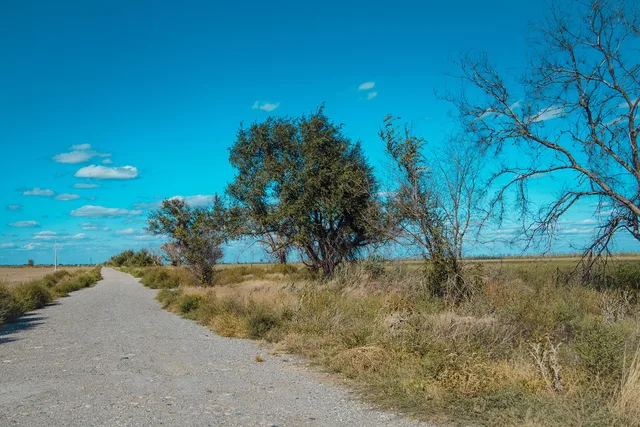
The road to a strange place is usually the strange part. Gravel, sand, washboard and clay all behave differently, and all argue for a spare, a jack you have used before, a tire gauge and a shovel. Add a tow strap only if your vehicle has proper recovery points and you know where they are.
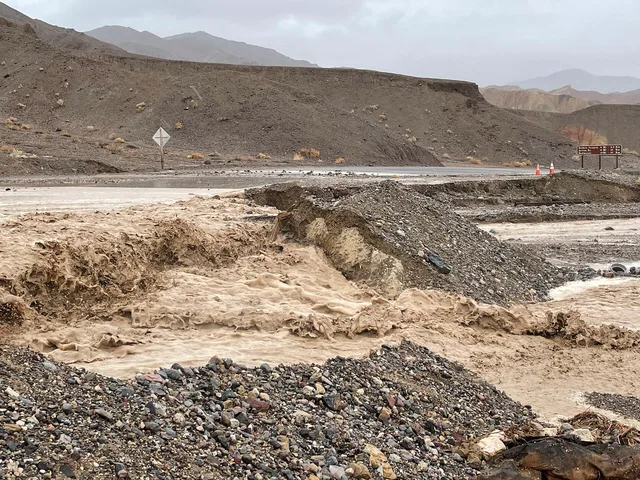
If a site page recommends high clearance, treat that as a requirement rather than a suggestion. The recovery cost from a remote road is a lot higher than the cost of choosing a different stop.
Wildlife country changes what you carry and how you behave
Many odd stops sit in open country with large animals present. Know the guidance before you go.
The Fish and Wildlife Service advises people in mountain lion habitat to stay aware of your surroundings, make yourself appear larger if you encounter one, and never run or crouch down. Keep eye contact and pick up small children without bending over, and read it once before a trip.
Practical additions: keep food sealed, keep children within sight on trails, and make noise on blind corners.
For rock art and fragile sites
Bring a long lens rather than a wish to get closer, and leave chalk, water bottles and brushes at home. The single rule at panels is not to touch them, because skin oils damage the surface. A folding seat is more useful than any piece of equipment here, since good rock art viewing is mostly sitting and looking.
Match the kit to the month using the best seasons for unusual roadside stops, and give the sites enough time with the pacing in planning odd stops without rushing them.