Guides
Part of 5 steps carry a scenic routes plan from corridor choice to fallback
Scenic routes packing list for a scenic drive
Use this scenic routes packing list to plan for navigation, weather, food storage and fire restrictions, with practical advice for a scenic drive.
What to pack for a scenic drive
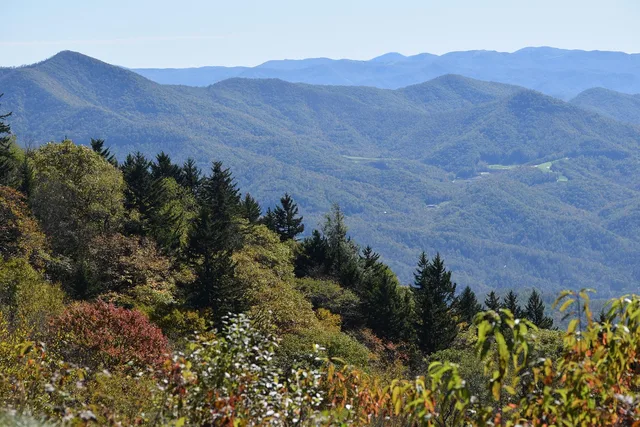
Build your scenic routes packing list around the stops and conditions, not just the hours in the car. On the Blue Ridge Parkway, a stop to see the Linn Cove Viaduct is a reminder to keep walking shoes, water and weather layers accessible.
- Bring a phone with offline maps, a charging cable or power bank, and a paper map as a backup.
- Pack water, snacks, a first-aid kit, a flashlight and comfortable walking shoes.
- Adjust clothing to the season and forecast; consider sun protection for exposed drives and a warm layer or rain shell when conditions call for them.
- For remote or dry stretches, plan fuel and water stops before leaving. Check your spare tire, jack and roadside emergency kit.
- Store food in an airtight container and follow posted food-storage rules, especially in bear country.
- Bring a stove or firewood only if the current fire order allows it. Leave the second cooler, the axe and signal-dependent gadgets at home.
Scenic driving has a specific packing problem. You are hours from services, but weight is not the limit. Volume in the cabin is. That changes what earns a place in the car.
Fire restrictions decide half your kit
A campfire kit is not a fixed thing. It is a kit that gets smaller as the season dries out.
Fire ban decides your kit
Is an open fire banned?
Gas stove only; leave firewood, axe, charcoal home
Pack firewood, axe and charcoal; buy wood at last town
The Bureau of Land Management's (BLM) summer guidance asks visitors to check local fire restrictions and closures before traveling, notes that reservations and permits may be required, and describes the drown, stir and feel method for putting out a campfire.
It also states that abandoned campfires remain the leading cause of human-caused wildfires.
Stage 1 and Stage 2 orders are terms to search for in current notices from the U.S. Forest Service (USFS), National Park Service (NPS), Bureau of Land Management (BLM), or a state or county fire agency. Stage 1 usually restricts when and where a fire is allowed. Stage 2 usually bans open flame outright and may restrict smoking and off-road driving too.
The exact terms and restrictions are published by the forest, district, park or state or county agency managing the land, so read the order itself rather than a summary.
If an open fire is banned, a gas stove is often still allowed. Sometimes it is not. That distinction decides whether the firewood, the axe and the charcoal go in the car at all, and whether you buy wood at the last town or not.
Food storage and wildlife
The U.S. Fish and Wildlife Service asks visitors to never feed wild animals, keep camp areas clean and store leftover food in airtight containers. In bear country the standard is stricter than airtight: food, coolers, cookware and anything scented go in a hard-sided vehicle, a bear box or a hang, and the rule is set by the landowner.
Who sets the food rule
Land type
- National park
- Park superintendent
- National forest
- Forest supervisor
- BLM land
- Field office
- Private campground
- Operator
Who sets the rule
- National park
- Park bear page
- National forest
- Forest current order
- BLM land
- Posted guidance
- Private campground
- Booking confirmation
Where to check
- National park
- National forest
- BLM land
- Private campground
A sealed box in the trunk handles most of it. In bear country, an empty cooler still smells like a cooler.
Leave these at home
- A second cooler. One is a plan; two is a smell problem and lost cabin space.
- An axe or hatchet when a fire ban is in force. It is weight you cannot use.
- Three pairs of boots. One pair for walking, one for driving.
- Anything that only works with a signal. A phone that cannot load a map is a torch.
- Camera gear you will not carry on the trail.
Load the car around the plan
Sort gear by when you will actually touch it, not by category. Keep recovery gear and water within reach, and store food and any fire kit according to the site's posted rules.
Map the route, stops and fuel opportunities before departure, then leave room in the schedule for breaks. Plan a pace that lets you enjoy the drive without carrying gear you will not use.
Common questions
Do I need a fire permit for a camp stove?
Sometimes. Some districts require a permit for any stove during high fire danger, and some waive it for a stove with a shutoff valve. The district that issues the order sets the rule, so check its current page before you leave.
Can I bring firewood from home?
Many forests and parks prohibit outside firewood because of invasive pests. Buy certified heat-treated wood locally, or check the destination's firewood page for what it accepts.
Where do I check fire restrictions?
Start with the forest, park or BLM field office that manages the land you are sleeping on. State and county agencies may set separate bans on the same day, and the stricter one usually applies.
What if I am only driving through?
Restrictions still apply at every pullout, overlook and picnic area inside the boundary. If you plan to stop and cook, the same order governs your stove.