Features
Part of Road trip budgets cost: BLM fees at two stops
Road trip photography: spend on position, not on glass
Road trip photography that puts position before lenses: named refuge photo blinds, pull-offs and boardwalks, what to buy at home, and a simple detour rule.
What to take away
- Position beats equipment. Being in the right place at the right hour costs nothing.
- Free public facilities such as observation blinds outperform most gear upgrades.
- Storage, power and backups are the real recurring costs on a long trip.
- The expensive mistake is driving extra miles for a shot you could have taken nearby.
Photography is where road trip budgets leak quietly. Not through gear purchases, which people plan, but through fuel burned chasing subjects, storage bought in a panic, and paid access to things available free a mile away. This list is about where to stand on a scenic route, which public places put you in position, and the few things worth buying before you leave.
Spend on position, not on glass
The cheapest way to improve any road trip photo is arriving earlier. Beginner advice still works: focus on the eyes, include the surroundings rather than only zooming in, and move around to find a fresh angle by getting high or crouching low, as the Fish and Wildlife Service tells young photographers.
None of that costs anything. It does more for a picture than a longer lens.
Use the free infrastructure
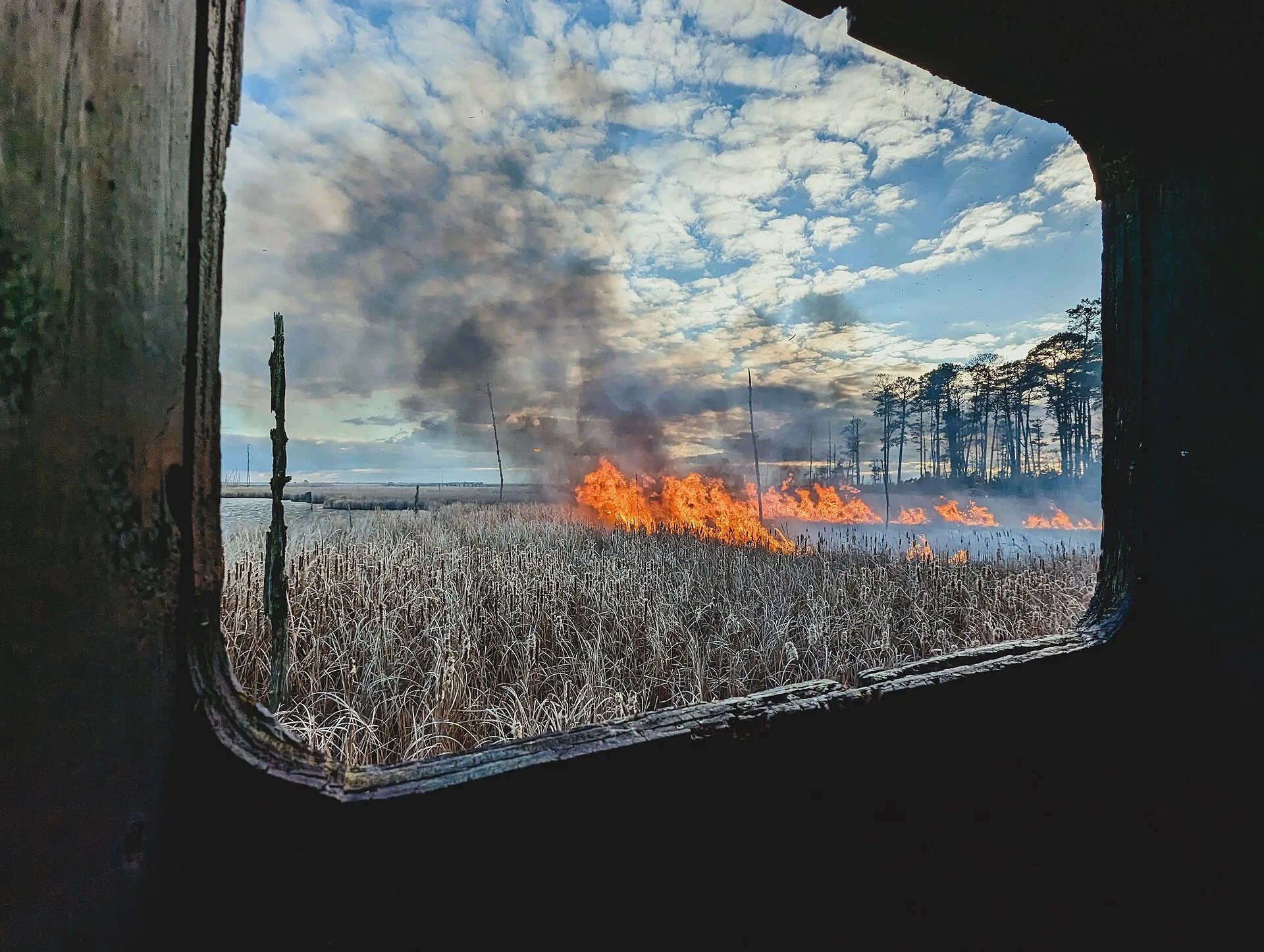
Public land has many facilities built for this purpose. The Fish and Wildlife Service publishes a list of national wildlife refuges with photo blinds or wildlife observation blinds, running from Oregon, California, Florida, New Jersey and North Dakota to many other states. A few that sit within reach of a driving route:
- West Coast:Tualatin River and Ankeny refuges in Oregon; Lower Klamath, Tule Lake and Sacramento refuges in northern California; Don Edwards San Francisco Bay refuge in California.
- East Coast:Cape May and Great Swamp refuges in New Jersey; Blackwater refuge in Maryland; Pea Island refuge in North Carolina.
- Florida and the Gulf:Merritt Island and St. Marks refuges in Florida; Santa Ana and Laguna Atascosa refuges in Texas.
- Interior:Audubon refuge in North Dakota; Montezuma refuge in New York; Ruby Lake refuge in Nevada.
A blind puts you closer than any affordable lens, and it usually comes with ordinary access, not sold separately. Check each refuge's own page before you build a day around one.
Interpretive pull-offs, boardwalks and observation decks work the same way. Plan the route around them and the equipment question mostly goes away.
Plan positions along a scenic route
Roadside attractions reward the same approach: know where they are before you set off, then arrive in good light. Route 66 in Oklahoma is a worked example. The National Park Service notes that the route there was designated a National Scenic Byway in the late 1990s, and it names handmade roadside landmarks such as the Blue Whale in Catoosa and Galloway's Totem Poles in Foyil. The same account lists restored stops along the road, including the Rock Cafe in Stroud and the Meadow Gold sign in Tulsa.
Mark those on the map as fixed positions, decide which ones you want at dawn or dusk, and the drive itself becomes the shot list.
What to buy at home
- Memory cards, because running out mid-trip means buying at whatever price is available.
- Powera car charger and one spare battery per camera, bought before departure.
- Backup storage, so a lost card does not cost you the whole trip.
- Cleaning supplies, which are trivial in advance and irritating to source on the road.
Buy all four at home. Every one of them costs more at a roadside store, and the alternative to buying is losing work.
Buy these four before departure
- Memory cards, so you never buy mid-trip
- Car charger and one spare battery per camera
- Backup storage, so a lost card is not fatal
- Cleaning supplies, trivial at home, irritating on the road
Detours: the shot you did not plan
The largest photographic expense on most road trips is driving. A ninety-minute detour for one frame is a real cost, and it usually competes with a better subject you already passed. Set a rule before you leave: no unplanned detour over twenty minutes each way unless you have confirmed what is at the end of it.
Reshoots are cheaper than detours. Going back to the same subject in better light on the second morning costs almost nothing.
What not to buy for a road trip
Filters you have never used, a second body you will leave in the trunk, and a large tripod when a small one fits behind the seat. On a driving trip the limiting factor is how quickly you can get out of the car, not what you own.
Set the photography line inside the wider trip plan, and pick subjects along the route, such as a refuge blind, a signed pull-off or a roadside attraction you will pass anyway, rather than ones that need a long detour.