Costs
Part of Road trip budgets cost: BLM fees at two stops
Quebradas Back Country Byway: five planning mistakes
Five planning mistakes on a Quebradas Back Country Byway weekend, and what each one does to road trip budgets, supplies and timing.
The Quebradas Back Country Byway east of Socorro, New Mexico, is an unpaved route with no facilities and no drinking water, and a weekend there is settled by a handful of choices made before the drive starts. Most road trip budgets here turn on small things: a room booked too early, a date picked for convenience, supplies left behind in town, miles counted without stops. These are the five mistakes to avoid on this byway.
Mistake 1: Booking two motel nights before comparing alternatives
Booking two motel nights without comparing alternatives is the costliest avoidable choice. A room in nearby Socorro, camping, or a split stay each serves a different need; assuming both nights require the same arrangement can lock in more spending than smaller changes to meals or stops.
The BLM byway page describes a road with no facilities and identifies Socorro, about six miles away, as the nearest source for food, gas, and water. It also gives a 14-day stay limit for people staying on the land. A room and an outdoor night answer different needs.
Choose the arrangement one night at a time: camp when an early start matters, and book a room when a shower is the priority. Compare those combinations before reserving both nights. The sleeping plan has more room to change the total than smaller adjustments to meals or stops.
Two nights: motel vs camping
Motel
- Cost swing
- Largest
- Early start night
- Worse
- Shower night
- Better
- Best pattern
- Mixed
Camping
- Cost swing
- Smallest
- Early start night
- Better
- Shower night
- Worse
- Best pattern
- Mixed
Mistake 2: Choosing a weekend before checking the weather
Choosing a date without checking conditions can make the same route less practical, even if the planned stops do not change. Quebradas is open year-round, but heavy rain can make the road difficult or impossible to navigate, so convenience alone is not enough to settle the weekend.
Check the local weather forecast alongside access needs before settling on a date. Shoulder-season weekends can mean quieter tourist towns and more lodging availability than busy summer weekends, but that advantage has to be weighed against weather risk. Consider the season choice, not convenience alone.
A separate date factor is National Wildlife Refuge Week, observed by the Fish and Wildlife Service from October 10 to 17 in 2026. At refuges that charge entrance fees, fees are waived on Sunday, October 11. Sevilleta lies a few miles north of the byway, while Bosque del Apache lies a few miles south.
Mistake 3: Counting on food and water along the byway
Expecting to find food or drinking water on the route leaves a basic need to chance.
The byway has no drinking water or restrooms, and there is no facility on the road to make up for an empty jug or a missed meal. Prepare before leaving a town with the supplies needed for the drive.
Fill one cooler, set aside a dinner, and leave one lunch flexible. Refill the cooler and water jug in Socorro before entering the byway, rather than expecting a shop or tap along the road. Treat a planned supply stop as part of the weekend instead of something to discover after departure.
Mistake 4: Using mileage as the entire route plan
A mileage-only plan can disguise how much of the weekend will be spent driving. Set a daily ceiling before choosing stops: a 250-mile reach and a 500-mile reach create different weekends, even before roadside features are added.
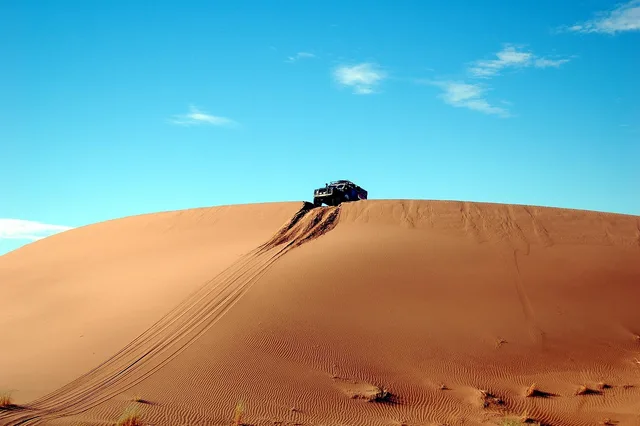
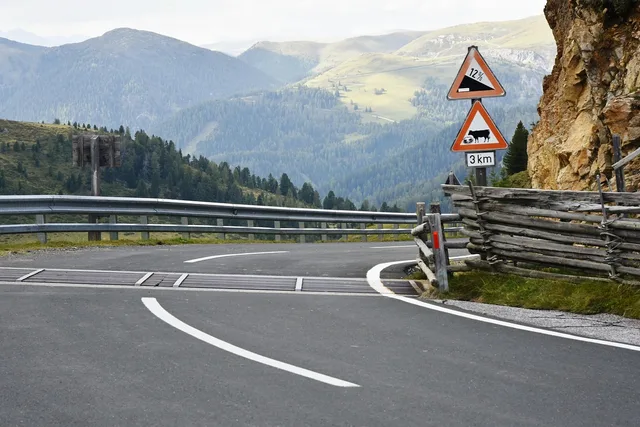
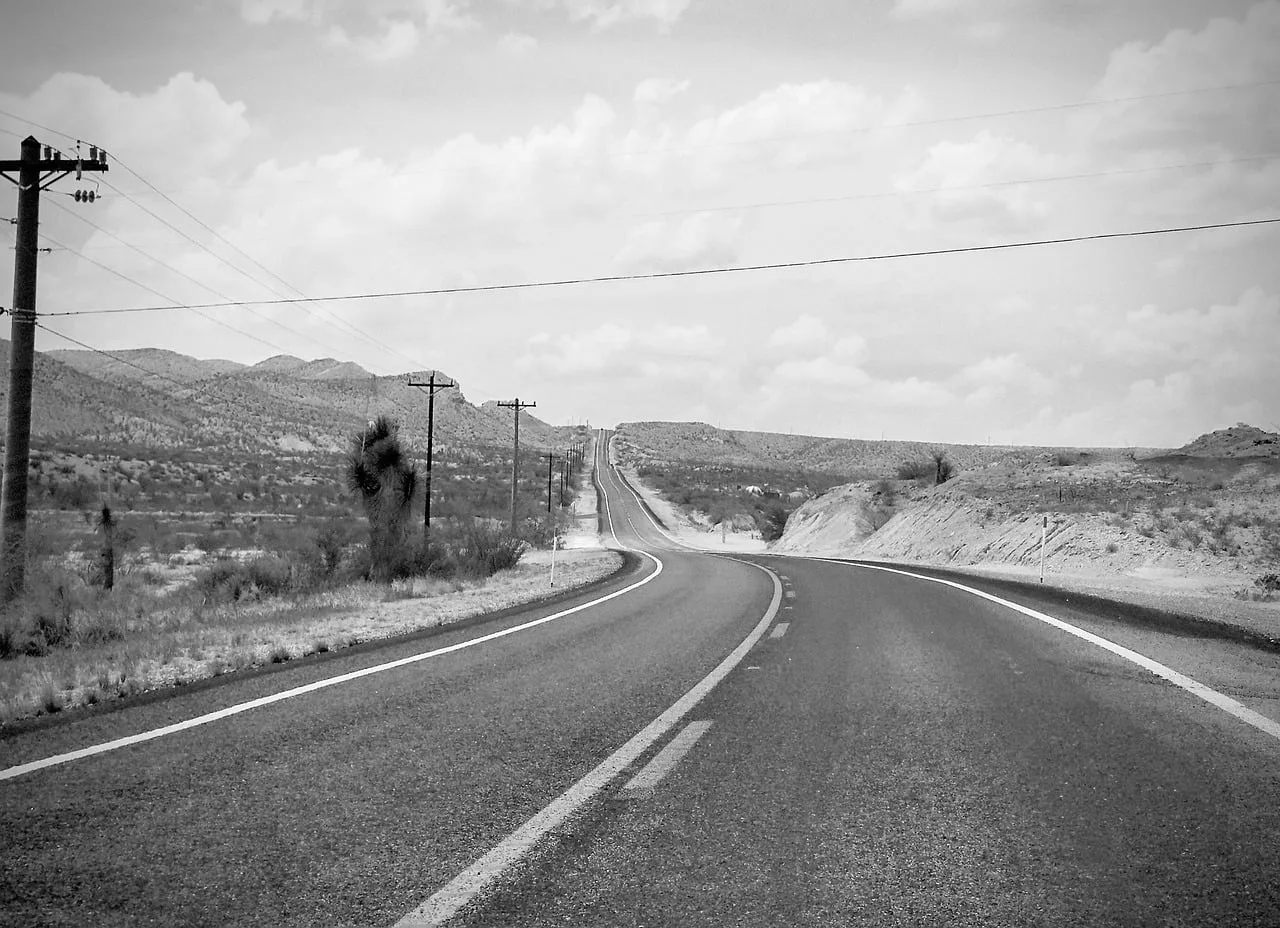
Quebradas runs about 24 miles along an unpaved county road east of Socorro. The BLM recommends a high-clearance vehicle such as a truck or four-wheel drive. Rugged sections, blind curves, and steep hills affect the choice, and wet conditions can make the road difficult to navigate.
From the south, the road begins 11 miles east of San Antonio via US 380 and County Road A-129. From the north, look for Byway signs and information where the road begins. Those access details belong in the plan before optional stops are fitted around the drive.
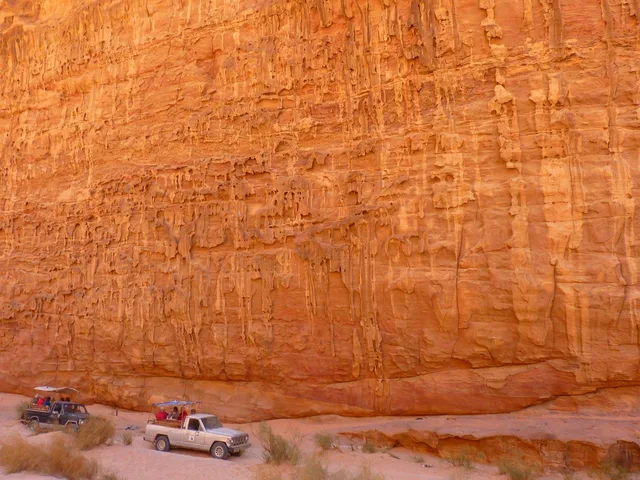
Erosion shaped Arroyo de la Presilla, Arroyo del Tajo, and Loma de las Canas, the named features along the route. The arroyos are dry washes and the loma is a low hill, so these are landforms to look at from the road rather than stops with anything at them. Check the route markers and use stop timing to leave room for pull-offs; otherwise, a short-looking drive can consume the hours meant for roadside features.
Decide the travel boundary before adding optional places. An hour spent hunting for cheaper fuel can be offset by a hundred extra miles in both driving time and fuel. A complete route plan should reserve time for stops, while the extra-distance risk is a reason to set a maximum reach before leaving.
Mistake 5: Treating the first estimate as the final number
Travel to the start, the return trip, and bookings already made are hard to change; beds, meals, detours, and paid access can still move. Keep attention on adjustable choices rather than sinking effort into fixed costs. The weekend cost comparison puts those changes in a broader budget context.
Fixed vs variable weekend costs
Fixed
- Getting to start
- Yes
- Getting home
- Yes
- Bookings already made
- Yes
- Sleeping
- No
- Eating
- No
- Detour mileage
- No
- Paid access
- No
Variable
- Getting to start
- No
- Getting home
- No
- Bookings already made
- No
- Sleeping
- Yes
- Eating
- Yes
- Detour mileage
- Yes
- Paid access
- Yes
Use a range in the planning sheet, rather than relying on one total. For Quebradas, separate choices that can still change from basics the route cannot provide: the route lists no fees and no facilities, so supplies need to come from elsewhere.
| Budget line | Fix |
|---|---|
| Fuel | Plan fuel for the route, plus a quarter for detours. |
| Beds | Choose two nights to match the sleeping plan. |
| Meals | Allow for two dinners, two lunches, and breakfasts from the cooler. |
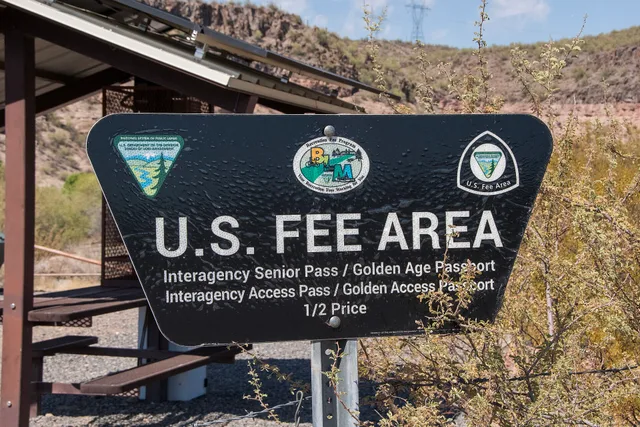
| Public-land site fees | Leave room for fees, which may be small or absent. |
| Contingency | Allow for a stop that takes longer than expected. |
After the weekend, keep receipts and a simple drive-time record in a field log. Compare what happened with the estimate: food may have cost more than expected, fuel may have cost less, and drives between stops may have taken longer than the map suggested. Those notes give the next plan a correction based on the trip.