Features
Part of Roadside trip mistakes: the traps and the way around them (2027 update)
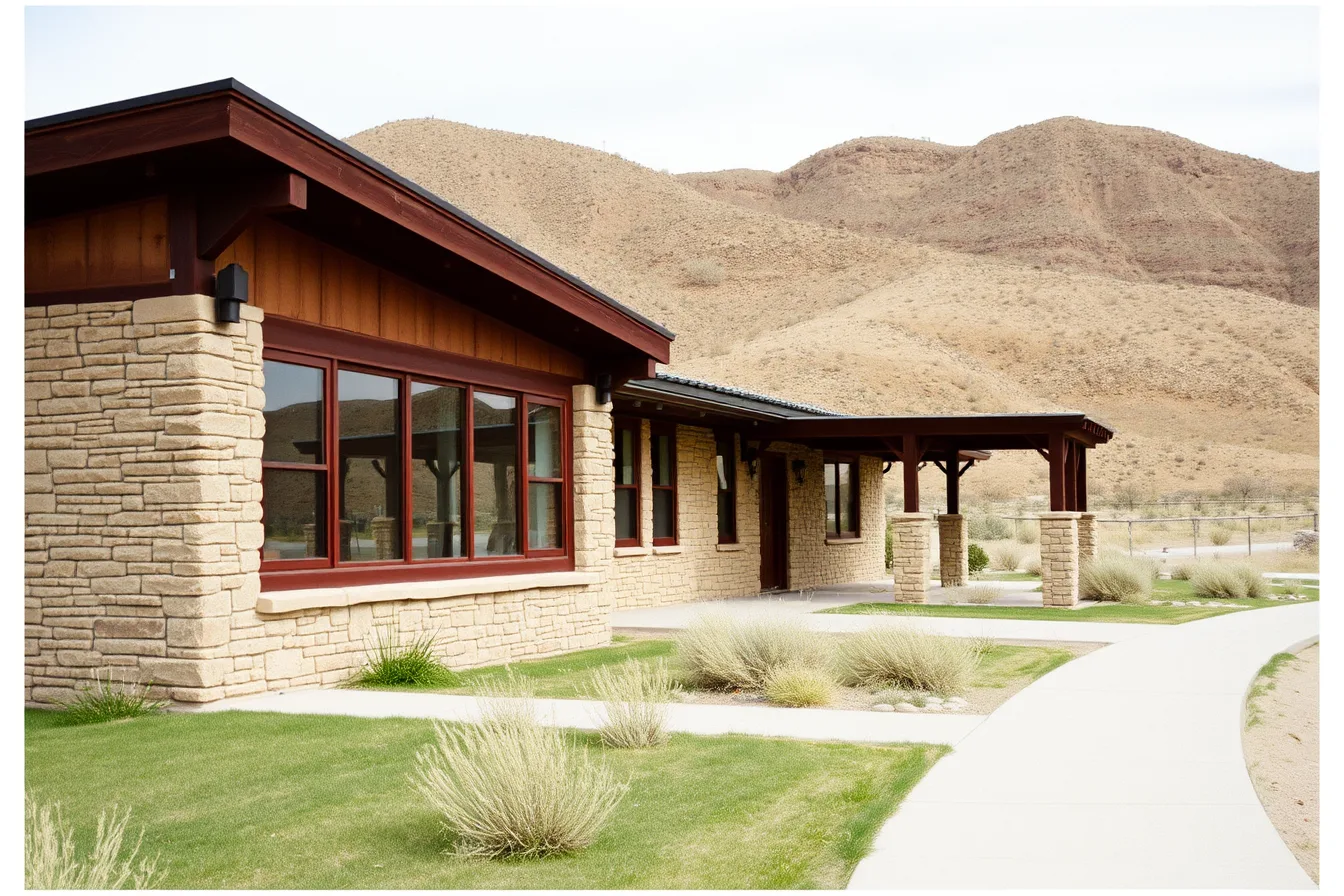
A staffed visitor center rescues more roadside trip mistakes than luck does
The kinds of stop that rescue a road trip going wrong: staffed interpretive centers, indoor options for bad weather, and places with real facilities.
What to take away
- Every long trip needs a rescue stopstaffed, indoors, with restrooms and someone to ask.
- Add one weather-proof stop per day. It is the cheapest insurance in trip planning.
- Interpretive centers fix the two commonest problems at oncefatigue and not knowing what you are seeing.
- Even official pages can contradict themselves on fees, so phone before relying on a number.
Most advice about stops is about the good ones. This is about the useful ones: places that repair a day that has gone sideways, and that should be on the plan precisely because they are unglamorous.
The staffed interpretive center
An interpretive center solves fatigue, weather, bathrooms and ignorance in one stop. The BLM's National Bighorn Sheep Interpretive Center in Wyoming is a compact example built around the local Rocky Mountain bighorn herd, with wheelchair-accessible parking, restrooms and interpretive exhibits.
Its page notes motor vehicle travel through the sheep range is limited to a few roads. Staff at a center like this one often know the unusual roadside stops that maps leave out.
That page also carries a useful lesson about trusting published detail. It states that there is a small admission fee for the center while its own fees field reads no fee. Two answers on one page is a good reason to phone before budgeting.
The indoor stop for a bad-weather day
Weather ends outdoor plans. Parties without an indoor option drive aimlessly. National fish hatcheries are an underused stop for poor conditions, and some have outdoor infrastructure.
The Fish and Wildlife Service points to a hatchery in Wisconsin with a trail system of three miles running through a 1,200-acre forest of hardwoods and conifers, used for cross-country skiing and snowshoeing in winter. A site that has something to do in January will handle a wet afternoon in June.
The service stop that is actually a stop
- Somewhere with drinking water you can refill from.
- Somewhere with a restroom that is open, not locked out of season.
- Somewhere shaded, with a table, where a meal can be eaten properly.
- Somewhere with a person who knows current road conditions.
A place with three of the four is worth a twenty-minute detour on any long day, whatever else is nearby.
When to use a rescue stop
Use it when the party is quiet, when nobody has eaten properly, when the light has gone flat, or when you are more than an hour behind. Those four signals mean the next scenic stop will not land, and none of them improve by pressing on.
Trading that stop for an hour indoors usually saves the rest of the day, and it costs one item from a list that was probably too long anyway. The mistake is treating the rescue stop as an admission of failure rather than as the thing it was put on the plan to do.
Put one on every day of the plan
Name the rescue stop for each day in advance, so the decision is available when everyone is tired. Read the failure catalog in what roadside trip mistakes cost for what you are insuring against. Then apply the detour test in roadside attraction stops worth adding to a longer trip so the rescue stop is not itself an hour off route.