Reviews
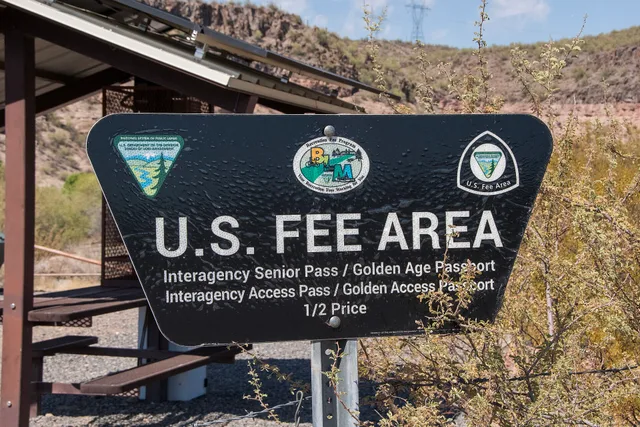
Part of Road trip budgets cost: BLM fees at two stops
How to Compare a Guided Road Trip to a Self-Drive Baseline
A cost-first method: build a self-drive baseline for any guided tour, price their inclusions, and spot what's free. Compare road trip budgets on your own terms.
What to take away
- Rebuild every tour as a self-drive budget first. That number is your baseline.
- Inclusions matter more than headline price, and they are often vague on purpose.
- The value of a guide is access and interpretation, not transport.
- Look at what you can see for free before paying to be taken to it.
Comparing guided road trip budgets on price alone is close to useless, because two operators rarely include the same things. The workable method is to convert every option into the same shape: what would this cost me if I drove it myself, and what am I paying extra for?
Build the self-drive baseline
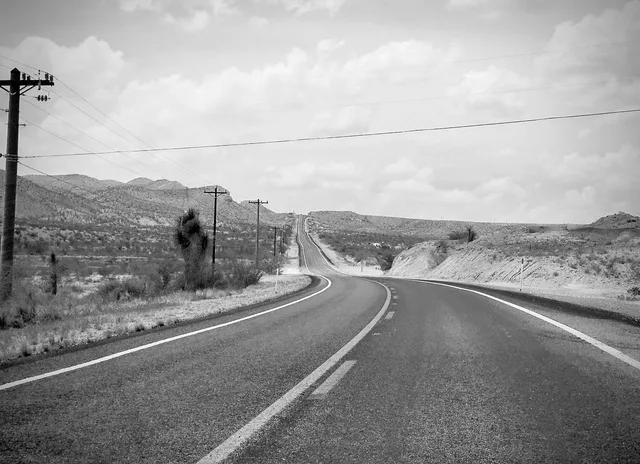
Take the tour's route and price it as your own trip. Fuel for the actual mileage, beds for the nights, food, and site fees. Public land fees are small and published, which makes this easier than it sounds.
The BLM notes that visitors can follow the Pony Express route across Utah's west desert on a maintained gravel back country byway with station sites and interpretive displays. It lists a campground at Simpson Springs with twenty sites open year-round at 15 dollars per night. A baseline built from numbers like that is defensible.
Then price the difference
Subtract the baseline from the tour price. What is left is what you are paying for guiding, vehicle, logistics and risk. Judge that remainder against four things.
- Access
- places you could not legally or safely reach alone.
- Interpretation
- someone who can explain what you are looking at.
- Vehicle
- capability you do not have, on routes that need it.
- Risk transfer
- recovery, weather calls and the decision to turn back.
If the remainder buys none of those, you are paying for a driver and a schedule.
Check the inclusions line by line
Ask for a written list of what is and is not included: entry fees, permits, meals, accommodation grade, equipment, and gratuities. A vague answer here almost always resolves in the operator's favor later. Ask whether site fees are paid by them or by you at the gate, and whether a quoted price covers one person or the vehicle.
Two operators quoting similar day rates can differ by a third once meals and entries are added. That difference only shows up when both lists are written down side by side.
See what is free before paying
Some tour offerings can be previewed or replaced at no cost. The Fish and Wildlife Service runs wildlife webcams fed by remote trail cameras. It notes they often show animals closer than otherwise possible, and can cover secretive species or those in remote places.
That will not replace a trip, but it tells you whether a wildlife-focused tour is selling something you want to spend two days on.
Compare like with like on time
Divide each option by hours outside the vehicle rather than by days. A tour with nine hours of driving and two hours of stops is expensive at any price. So is a self-drive plan built the same way, which is worth remembering before congratulating yourself on the baseline.
Start your sheet with the obvious lines: fuel, lodging, food, and site fees. Then use the line-by-line checklist from the inclusions section to pin down what the tour actually quotes.