Costs
Part of 5 steps carry a scenic routes plan from corridor choice to fallback
Scenic routes trips cost more in driving than most travelers expect
What a scenic route trip actually costs across transport, beds and site fees, and why the driving line is usually larger than travelers expect.
What to take away
- Transport is the largest line on a scenic route trip, and travelers usually underestimate it.
- Many designated byways are free to drive. The costs cluster at the ends of the day.
- Campground fees are modest but campgrounds close, so price a backup bed as well.
- Federal fee levels are published and revised, so confirm a rate rather than reusing last year's.
Scenic route trips flip the usual travel budget. The main event often has no ticket, and the money goes into fuel, tires, beds and food. That shape stops over-planning the small line and under-planning the big one.
Transport, and why the estimate is always low
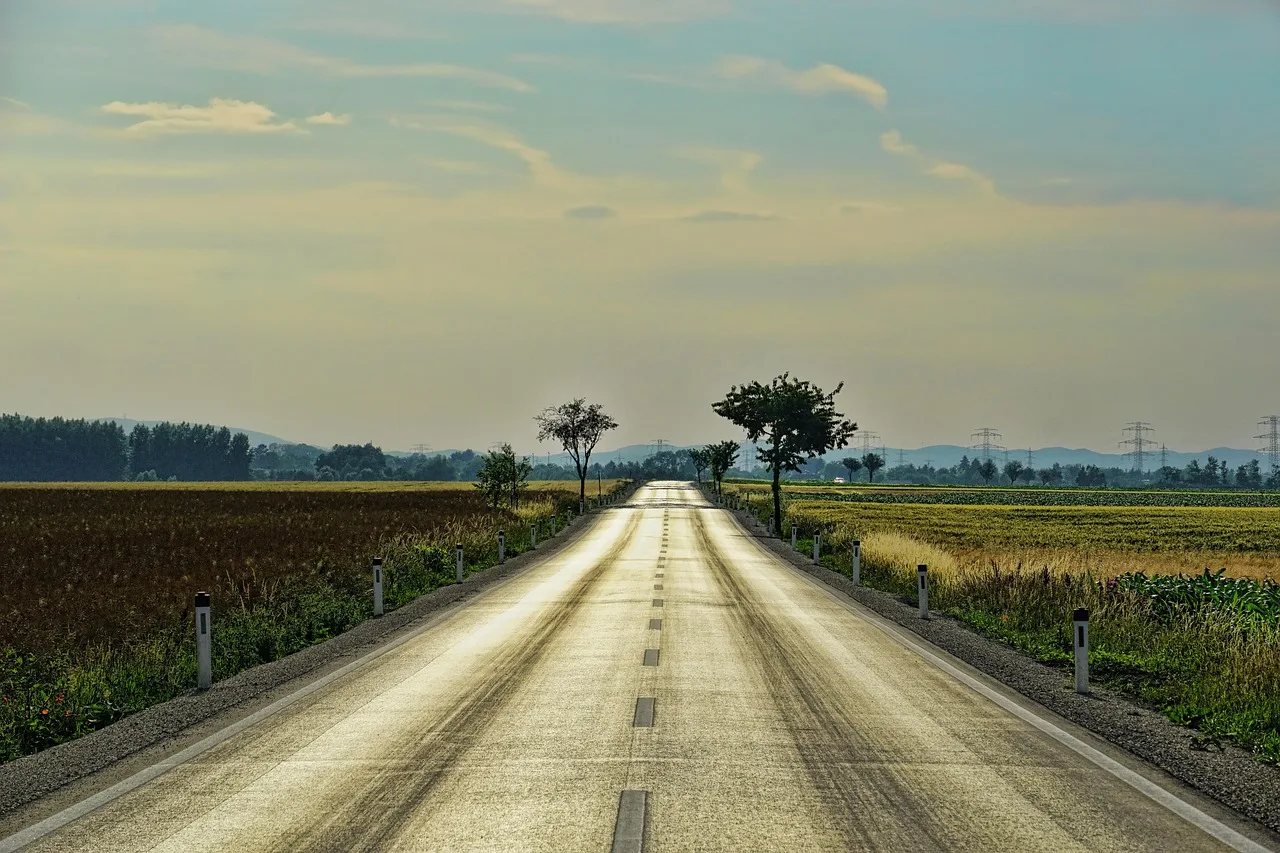
Three things push the driving line above expectations. Scenic routes are indirect by design. Unpaved and mountain driving cuts fuel economy noticeably. The return leg is rarely the same road, which adds mileage nobody budgeted.
Work from route mileage, not city-to-city distance. Add a quarter for detours and pull-offs, then wear items. This driving is harder on tires and brakes than an interstate run. If the route is unpaved, assume at least one maintenance item you would not otherwise have paid for.
A 1,000-mile route at 25 mpg uses 40 gallons. At $3.50 a gallon, that is $140. Add 25 percent for detours: 50 gallons, about $175. At 18 mpg, the same trip takes 69 gallons, near $243. In most markets, gasoline recently ran $3.00 to $4.00 a gallon, with remote mountain stations higher.
Wear is the quieter line. AAA's Your Driving Costs puts a small sedan near 66 cents a mile, an SUV near 77 cents and a pickup near 90 cents. For marginal trip wear, plan 15 to 30 cents a mile for tires, brakes and fluids.
Tickets, permits and the surprisingly common zero
Many scenic drives carry no entry cost. Where a fee exists, it is usually tied to a developed site rather than the road: a campground, a visitor center, a boat ramp, a timed entry area. Read the site page, not a regional summary.
Neighboring sites in the same area can be priced differently. National park entry fees give a useful benchmark. Yellowstone, Grand Teton, Yosemite, Zion and Acadia charge $35 per vehicle for seven days.
The America the Beautiful annual pass costs $80 and covers more than 2,000 federal recreation sites. A senior annual pass costs $20, a senior lifetime pass $80, and the Access pass is free for permanent disabilities. Buy it only if your route hits several fee sites.
Rates move. The Fish and Wildlife Service proposed higher overnight fees at Kenai National Wildlife Refuge in Alaska and published the proposed increases and a public comment period. One campground loop would add a new online fee; other refuge campgrounds stayed free. Confirm the number, not an old trip report.
Stays, and the cost of a closure
Camping is the cheapest bed on a scenic route, and the most likely to vanish at short notice. BLM's Holter Lake Campground in Montana shows both sides.
Its 52-site campground with gravel pads for RVs, trailers and tents is 45 miles north of Helena. Its page carries a temporary closure notice with named alternative campgrounds nearby. Price a second option nightly.
Public campground rates vary. Developed BLM campgrounds commonly charge $5 to $20 a night; some are free. National park campgrounds often run $20 to $35.
Yellowstone's Madison Campground has listed at $27, Yosemite's Upper Pines at $36, and Fishing Bridge RV Park at $99. Recreation.gov often adds about $10 for campsites. State park campsites typically cost $20 to $45; private RV parks $40 to $80.
Motels behave differently. In small towns near popular routes, especially in peak season, they are more reliable and much more expensive. A basic small-town motel commonly runs $150 to $250 in summer, $90 to $150 in shoulder season.
The cheap option often sits thirty miles further on, not in the obvious town at the end of the route. Weigh that against fuel and an extra hour of driving in the dark.
Food is smaller but real: $12 to $25 for a casual meal, $20 to $35 for a sit-down dinner.
A workable cost frame
- Fuel
- route mileage plus a quarter, divided by real mpg, times local gallon price. A 1,000-mile trip at 25 mpg and $3.50 a gallon is about $175 with detours.
- Beds
- $20 to $35 a night camping, or a $150 to $250 peak-season motel backup.
- Site fees
- check per site, not an average. $0 for many byways, $35 per vehicle at many national parks, $80 for an annual pass.
- Food
- $12 to $25 for one casual meal a day.
- Wear and contingency
- 15 to 30 cents a mile, or ten percent of the total.
Build the sheet after the route with our guide to planning a scenic drive end to end. If a guided option is on the table, weigh it with how to find local guides for scenic routes. Guided day tours often cost $75 to $200 per person; multi-day trips run $1,500 to $4,000.