Features
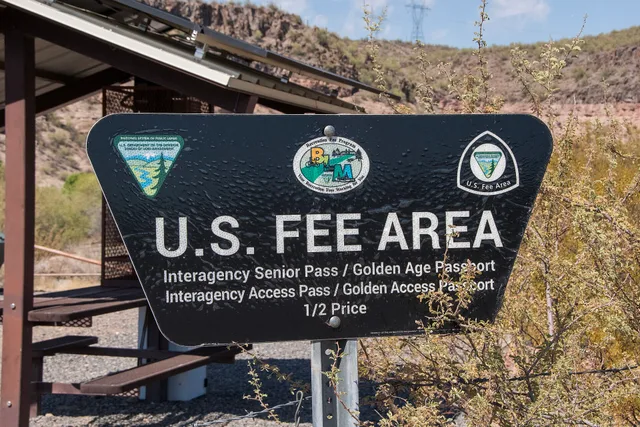
Part of Road trip budgets cost: BLM fees at two stops
Free stops: road trip budgets options close to your route
Free stops are the smartest road trip budgets options: no-fee BLM sites like Killpecker Sand Dunes and named urban national wildlife refuges near major cities.
What to take away
- Non-fee public sites are the best value on any long drive, and there are more of them than people think.
- A stop near a city costs less in fuel and time than the same stop two hours out.
- Free does not mean serviced. Check for water and toilets before relying on a site.
- The cheapest good stop is the one already on your route, not the famous one off it.
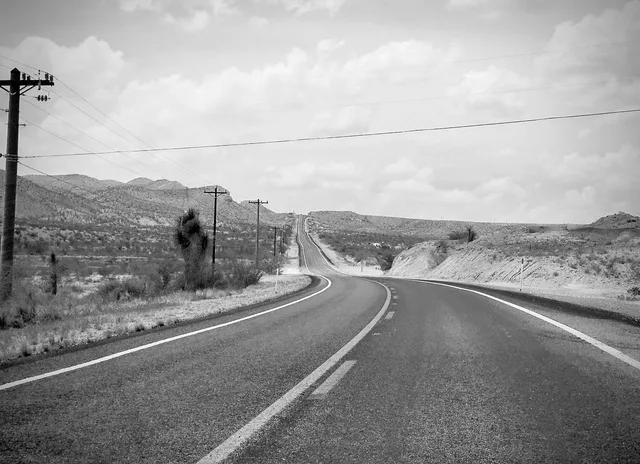
Adding stops to a long trip usually adds cost through fuel and time rather than tickets. The best road trip budgets options are therefore the stops close to the line you were already driving that cost nothing to enter. Here is where those cluster.
Non-fee recreation sites
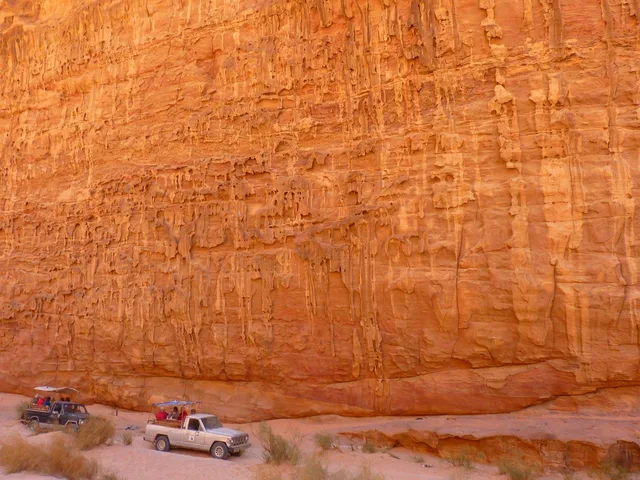
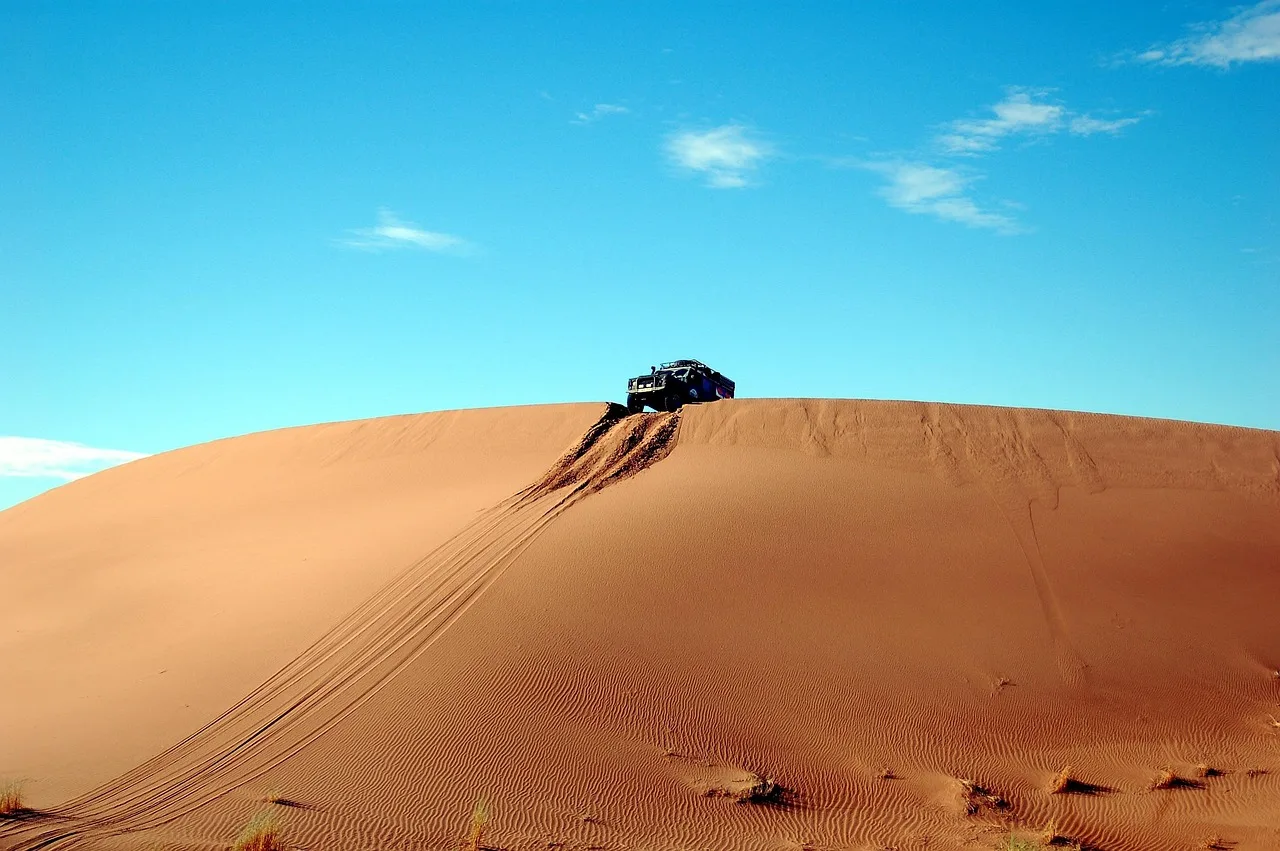
Plenty of developed public sites charge nothing. Killpecker Sand Dunes in Wyoming is one: the BLM lists an open play area about 32 miles from Rock Springs with one developed campground, a non-fee area, ADA accessible, with a vault toilet and fire rings.
Rock Springs sits on I-80, so the dunes are within reach of a corridor many long drives already use.
Sites like that give you a stop, a toilet and somewhere to cook for the price of fuel to reach them.
The trade-off is services. Non-fee usually means no drinking water and no staff, so arrive self-sufficient.
Short canyon and creek stops near a highway
On a long driving day, a twenty-minute walk in shade beats another viewpoint. Look for small canyon and creek sites a few miles off a main highway: a short trail, shade, often rock art or a pool at the end, and no entry charge.
Glenwood Canyon on I-70 in Colorado is the same idea at highway speed: rest areas and a riverside trail sit right on the interstate, with the Colorado River alongside and no entry charge.
Agency site pages for these usually say whether drinking water and toilets are provided. That is what you need before planning a stop around one.
Urban refuges on the way in and out
City-edge sites are the cheapest stops on any trip, since you drive past them anyway.
The Fish and Wildlife Service counts 101 urban national wildlife refuges with nearby wildlife viewing and outdoor recreation. Valle de Oro sits in Albuquerque, Rocky Mountain Arsenal just outside Denver, Detroit River International in Detroit, Minnesota Valley south of Minneapolis, Tualatin River outside Portland and San Diego National near San Diego, and John Heinz at Tinicum lies inside Philadelphia's city limits. Most refuges charge no entrance fee, so starting or ending a trip at one of these adds almost nothing to the mileage.
What makes a cheap stop worth it
- It is within ten minutes of your existing route.
- It offers at least twenty minutes of something to do.
- It has a toilet, or you know that it does not.
- It works in the weather you will actually have.
- It does not need a booking you might waste.
Two of the five is enough on a driving day. All five and you should plan lunch there.
What to avoid
Long spurs to famous places you see for fifteen minutes, paid attractions bought on impulse at the entrance, and stops needing a second vehicle move after you park. That is where cheap trips stop being cheap.
The same goes for a stop chosen because it was signposted, not because you wanted it. An afternoon disappears that way without anyone deciding to spend it.
The stops that keep a long drive cheap are the no-fee ones already on your route. Everything else is a choice worth making on purpose.