Industry
Part of Vintage highway signs worth a stop on Route 66 and other historic corridors
Vintage Highway Signs Businesses Can Save With Documentation
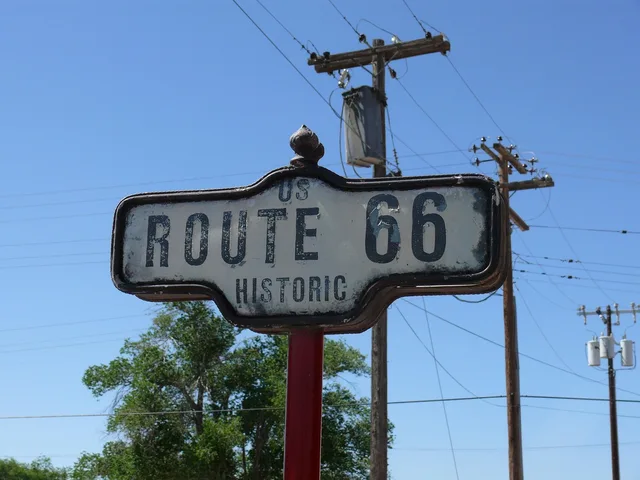
Vintage highway signs businesses care for deserve careful documentation, safe stabilization, and guidance from preservation officials before repair.
What to take away
- Document first. A measured photographic record survives even if the sign does not.
- Stabilization is cheaper than restoration, and it buys years of decision time.
- Designation brings attention and partners, and it is usually driven by local people.
- A sign that people can safely stop and look at earns its keep. One they cannot does not.
Old highway signs mostly survive because somebody local decided they should. Agencies help, and preservation groups help, but the sign on the front of a shop or the pole in a side lot depends on the business that owns it. These are the moves that actually work.
Document before you touch anything
Photograph the face, the reverse, the mounting and the setting, with a scale in frame and the date recorded. Note the maker's marks and any stamped dates. This costs nothing and turns a sign into evidence.
The Blue Swallow Motel's vintage neon sign in Tucumcari, New Mexico, on Route 66 is a concrete example of a roadside business sign worth documenting. Photograph its face, reverse if safely accessible, mounting, wiring, and setting; include a scale and date, and note maker's marks or stamped dates.
For formal documentation options, contact your State Historic Preservation Office (SHPO). The National Park Service's Historic American Buildings Survey and Historic American Engineering Record (HABS/HAER) document historic buildings and engineering works; ask whether a formal record is appropriate for the sign.
Stabilize now, restore later
The common mistake is waiting for a full restoration budget. By then the object is beyond saving. Stabilization is the cheap intervention: straighten and secure the post, stop water getting behind the face, remove the load pulling it over, cover exposed steel.
None of that forecloses a proper restoration later, and all of it buys time. If the sign is unstable or has energized components, keep visitors clear and use a qualified preservation or electrical professional.
Repainting is the intervention to think hardest about. A repaint erases the evidence of the original lettering. Photograph exhaustively first, and consider leaving the original face and lighting it well instead.
Contact preservation officials about designation
Designations bring partners, attention and sometimes money. Local people, not agencies, usually push them.
When the Iron Hills Trail System in Utah became a National Recreation Trail, the BLM held the event at a trailhead with community members and stakeholders. It described the designation as bringing attention to the system and boosting tourism.
When a federal undertaking may affect a property listed in or eligible for the National Register, Section 106 of the National Historic Preservation Act requires the agency to consider the effects, including consultation with the SHPO. For treatment planning, consult the Secretary of the Interior's Standards for Rehabilitation and ask the SHPO how they apply to the sign and project.
Make it possible to stop
A sign that visitors cannot safely photograph might as well not be there.
- Provide two or three parking spaces off the traveled surface.
- Keep the sightline clear of parked vehicles and skips.
- Put up a small plain card with the date, maker and one sentence of history.
- Say plainly whether photographs are welcome, because most people will not ask.
- Leave a light on it. Lit signs get photographed at dusk and shared far more widely.
Sell the story, not the merchandise
The businesses that get the most out of an old sign treat it as information. Keep the paperwork, old photographs, and the maker's name, then tell visitors what is known about the sign's history and what remains uncertain.
For a broader taxonomy, use the guide to sixteen vintage highway sign types. Here, begin with the specific sign's maker, materials, lettering, and setting.