Rules
Part of Vintage highway signs worth a stop on Route 66 and other historic corridors
USA Travel: Accessibility Questions for Vintage Sign Trips
USA travel for vintage sign trips means checking viewing access, parking, surfaces, slopes, facilities, interpretation and safe pull-offs before setting out.
What to take away
- Sign hunting is one of the most accessible forms of road travel, because most viewing happens from the car.
- Paved auto tour loops let you cover ground without leaving the vehicle at all.
- Interpretation can be tactile or audio, not only printed on a board.
- Ask for specificssurface, slope and distance, rather than whether a site is accessible.
Looking at old highway signs has a built-in advantage. The subject is designed to be read from a moving vehicle, so much can be seen without walking. For USA travel centered on vintage signs, the planning problem is not only the signs but also the stops, parking and interpretation around them.
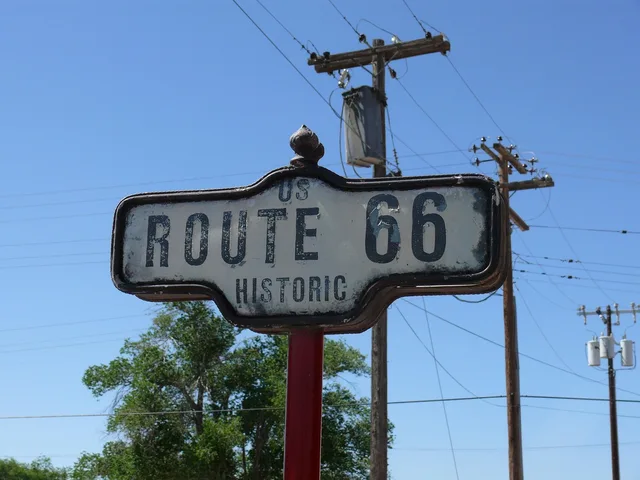
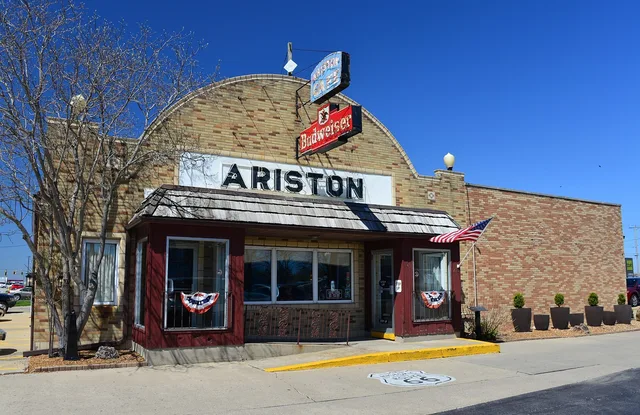
Two Route 66 destinations to investigate are the Blue Swallow Motel in Tucumcari, New Mexico, and the Wigwam Motel in Holbrook, Arizona, both known for vintage roadside neon signs. These are operating businesses, not public viewing sites; contact each before visiting to confirm whether sign viewing is welcome, where you can legally stop, and what accessible parking and approach are available.
Start with routes that were built to be driven
Auto tour routes are the closest thing to a purpose-built accessible sightseeing format. The Fish and Wildlife Service keeps a list of wheelchair-accessible trails and auto tours across its northeastern refuges. It includes a three-mile paved auto tour loop at Aroostook in Maine that lets visitors see the country without leaving their vehicles.
A paved auto tour loop is not a vintage-sign stop, but it can be a lower-walking break within a sign-focused drive. Treat the Aroostook example as a format to consider, not as evidence that other stops have the same access features.
Interpretation that is not a printed board
A painted sign is visual, but its story need not be. The BLM has described adding interpretive audio, Braille signs and physical aids such as a guide rope so visitors with low vision can explore areas without assistance.
It notes an estimated 6 million Americans experience vision loss and 1 million experience blindness. Provision varies enormously between sites, so ask what exists rather than assuming.
Ask better questions than accessible or not
The word accessible on its own tells you very little. Ask for numbers.
Ask better questions
- How far is the sign or exhibit from the nearest parking space?
- What is the surfacepavement, compacted gravel, or loose material?
- What is the steepest slope on that route?
- Are the restrooms accessible, and are there sinks?
- Is there a bench or shaded seating at the stop?
For the rules behind those details, consult the Americans with Disabilities Act (ADA) Standards for Accessible Design, the Architectural Barriers Act requirements for covered federal facilities, and the U.S. Access Board's Outdoor Developed Areas Accessibility Guidelines. Ask the managing agency which requirements apply at that site and request the actual surface, slope and distance; a standard does not describe current site conditions.
Design the day for shorter exposure
Sign trips are easy to over-schedule because each stop looks brief. Build in fewer, longer stops with reliable facilities rather than many quick ones with none. Two hours of driving between good stops is usually more comfortable than six pull-offs on gravel shoulders.
Heat and cold matter more than usual here, because most of the good subjects stand in open ground with no shade. A morning start is worth planning around.
Roadside viewing done safely
Much of the best signage can be seen without leaving the road, but shoulder stops are where accessible trips go wrong. Use designated pull-offs and parking areas rather than the shoulder itself, and prefer right-hand stops so nobody crosses a highway. Skip any stop that requires a walk along a road edge.
A photograph from a marked pull-off is worth more than a better angle taken from a dangerous one.
Use our vintage sign-type guide to choose a sign style, then select a named stop only after confirming its viewing access and facilities.