Industry
Part of Vintage highway signs worth a stop on Route 66 and other historic corridors
Choose the bypassed town over the highway exit for a vintage sign trip
How to pick a base for a vintage sign trip: bypassed towns over highway exits, public campgrounds on historic routes, and what to confirm before booking.
What to take away
- Stay in the bypassed town, not at the interstate exit. The signage is where the traffic left.
- Public campgrounds on historic routes put you inside the subject rather than beside it.
- Confirm water, power and reservation rules per site. They vary enormously.
- One base for two nights beats two bases for one night each on a sign trip.
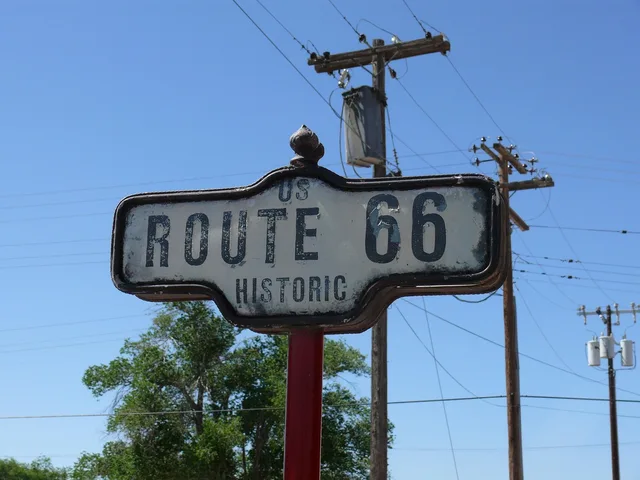
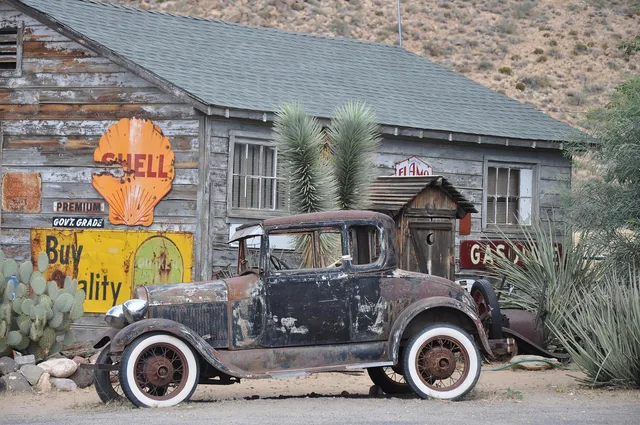
Where you sleep on a sign trip decides what light you get. The good subjects sit in old town centers and on bypassed alignments, and both photograph best within an hour of sunrise or sunset. A bed twenty minutes closer beats a bed twenty dollars cheaper.
Choose the bypassed town over the highway exit
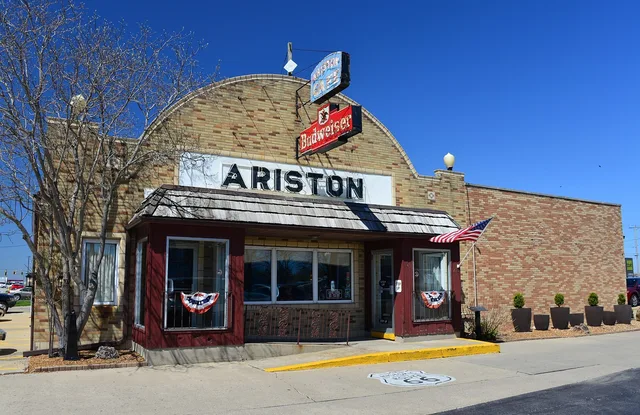
Interstate exits have the beds and none of the subject. The town three miles off the exit usually has both, because the old highway went through it and the signage stayed. Small-town motels also tend to be surviving examples of the thing you came to photograph, which is a decent reason to sleep in one.
The trade is fewer options, earlier check-in cut-offs and less choice for dinner. Phone ahead rather than arriving late and hoping. When you book, ask whether the property still has its own original sign and whether it is lit after dark. That answer often decides which of two similar motels is the better base.
Camping on the historic route itself
Public campgrounds on historic corridors are the strongest option if you are equipped for them. The BLM's Simpson Springs Campground in Utah's West Desert sits beside a historic station on the Pony Express National Historic Trail. The ground was also a Civilian Conservation Corps camp in the late 1930s and early 1940s.
Its page lists potable water seasonally and accessible vault toilets, along with twenty campsites that have accessibility features and mostly compacted gravel pull-through parking. Seasonally is the word to notice: carry your own water.
Read the booking rules per site, not per agency
Reservation systems differ between neighboring campgrounds. Burro Creek Campground in Arizona is an example. It is reached by a 1.25 mile paved road from U.S. Highway 93 and has 23 individual sites.
Some sites take reservations at least seven days ahead. The rest are first come, first served. Knowing which is which changes when you need to arrive.
What to confirm before you commit
- Whether drinking water is available in the month you are traveling.
- Whether the access road is paved, graded or unsuitable for your vehicle.
- Arrival cut-off times, for both motels and staffed campgrounds.
- Whether there is any lighting, which matters if you want night photographs of signs.
- Distance to fuel, because small-town stations close early.
One base, two nights
Sign country rewards staying put. A single base lets you shoot the same subject in morning and evening light, go back for the one you got wrong, and skip an hour of packing. Choose a town roughly in the middle of your corridor rather than at one end, and accept a slightly longer drive on both days in exchange.
Plan the driving around it with our two-day sign itinerary, and pick the subjects themselves from the list of sixteen vintage sign types.