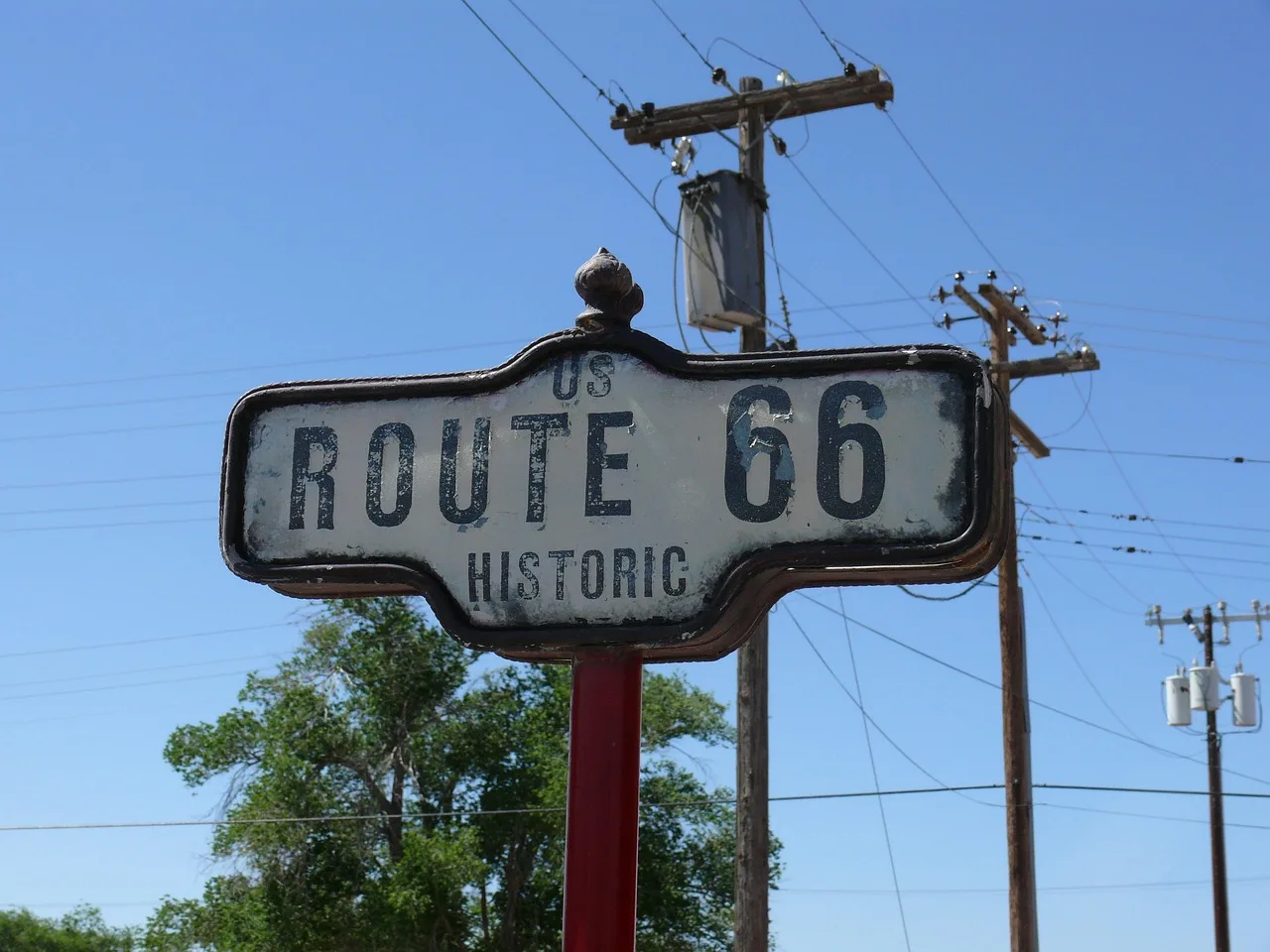
Features
Vintage highway signs worth a stop on Route 66 and other historic corridors
Names vintage American highway signs on Route 66 and other historic corridors, how to date them by hardware and lettering, and trip planning advice.
What to take away
- Sixteen vintage highway signs are named below, each with a town, a corridor, and one thing to check before you leave.
- Every one sits on a bypassed alignment, in a small town, or inside a designated historic corridor.
- Sign survival is not guaranteed. Call the site or the local visitor center the week you travel in 2027.
- Mounting hardware and backing material date a sign better than its paint does.
- Published drive times between these stops are minimums. Add buffer hours.
The sixteen, by name
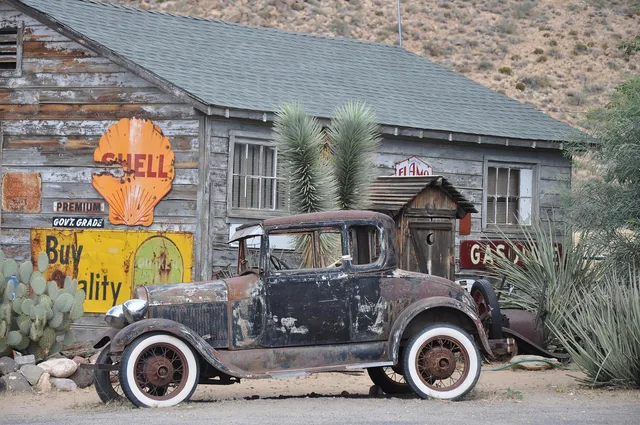
1. Roy's Motel and Cafe sign, Amboy, California. A 1959 googie boomerang on Route 66, restored after years of decay. The cafe and cabins behind it are not always open.
2. Wigwam Motel, Holbrook, Arizona. Route 66. Concrete teepees with a neon-trimmed office sign. The Sleepy Bear Motel next door carries a similar one.
3. Blue Swallow Motel neon, Tucumcari, New Mexico. A 1939 sign on Route 66, kept lit most nights by longtime owner Lillian Redman. Tucumcari Boulevard holds several more.
4. El Rancho Hotel sign, Gallup, New Mexico. A 1937 retreat for western movie casts on Route 66. The sign is a pole-mounted script panel.
5. U-Drop Inn, Shamrock, Texas. A 1936 art deco tower on Route 66, restored and now a visitor center. Best photographed at dusk.
6. Arcadia Round Barn sign, Arcadia, Oklahoma. A Route 66 barn with a painted sign and a small museum on the ground floor. Open most days.
7. Route 66 State Park bridge plaque, Eureka, Missouri. The 1932 Meramec River bridge carries a dated builder plaque. The park visitor center sits nearby.
8. Gemini Giant, Wilmington, Illinois. A 1965 muffler man on Route 66. He has moved between owners; confirm before you drive out.
9. Tama Lincoln Highway Bridge, Tama, Iowa. A 1915 concrete bridge whose railing spells LINCOLN HIGHWAY in raised letters. The bridge does the work of a sign.
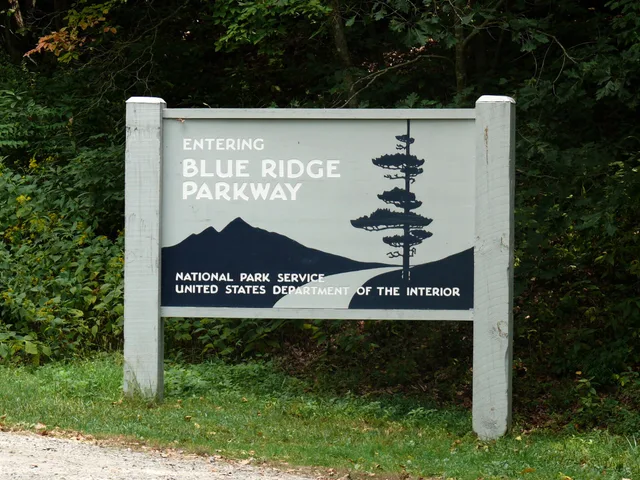
10. Mabry Mill sign, milepost 176, Blue Ridge Parkway, Virginia. A restored gristmill with a water wheel and a painted roadside sign. The grounds stay open most of the year, but the Parkway closes sections in winter.
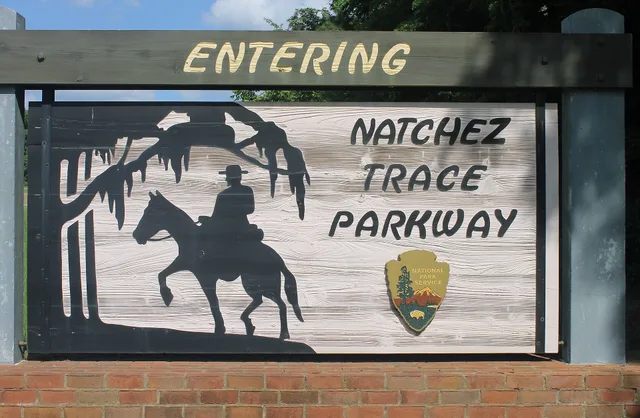
11. Sunken Trace sign, Natchez Trace Parkway milepost 41.5, Mississippi. A short walk leads to a sunken stretch of the old Natchez Trace footpath. The interpretive sign sits at the pullout.
12. Jack Rabbit Trading Post sign, Joseph City, Arizona. A Route 66 billboard with a painted jackrabbit and the words HERE IT IS. It has stood since the 1950s and now faces Interstate 40.
13. Steamboat Rock welcome arch, Iowa. A 1930s town gateway over the Lincoln Highway. Repainted, not replaced.
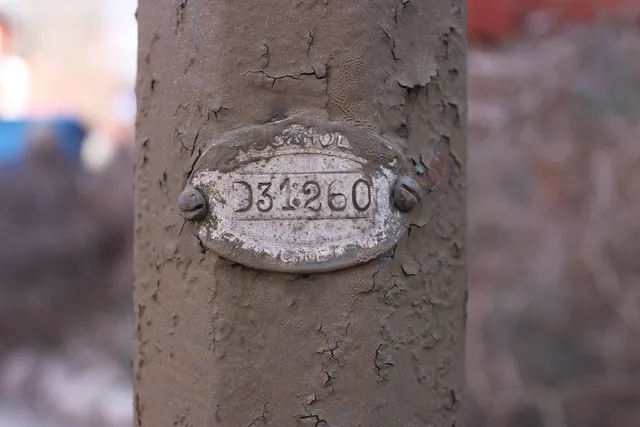
14. Pikeville cutoff historical plaque, Tennessee. A cast metal plaque on a post at a Route 66-era alignment. Dated to the 1950s.
15. Amboy Crater directional sign, California. A BLM sign on the old Route 66 alignment, with the crater trailhead behind it.
16. Seligman Sundries wall sign, Seligman, Arizona. Painted brick advertising on Route 66, faded but legible. The storefront is still open.
| Sign | State | Corridor | Check before you go |
|---|---|---|---|
| Roy's Motel | CA | Route 66 | Cafe hours |
| Wigwam Motel | AZ | Route 66 | Room availability |
| Blue Swallow | NM | Route 66 | Lighting |
| U-Drop Inn | TX | Route 66 | Visitor center hours |
| Gemini Giant | IL | Route 66 | Current location |
| Tama bridge | IA | Lincoln Highway | Bridge access |
| Mabry Mill | VA | Blue Ridge Parkway | Seasonal closures |
| Sunken Trace | MS | Natchez Trace Parkway | Trail conditions |
Why these sixteen and not others
Each one is documented, publicly accessible, and has survived at least one round of restoration or replacement. That last point matters. Signs vanish when a business closes, when a pole rots, or when a collector makes an offer nobody refuses.
The list spreads across corridors. Route 66 carries twelve of the sixteen. The Lincoln Highway holds two, and the Blue Ridge Parkway and the Natchez Trace Parkway hold one each.
Reading a sign's era
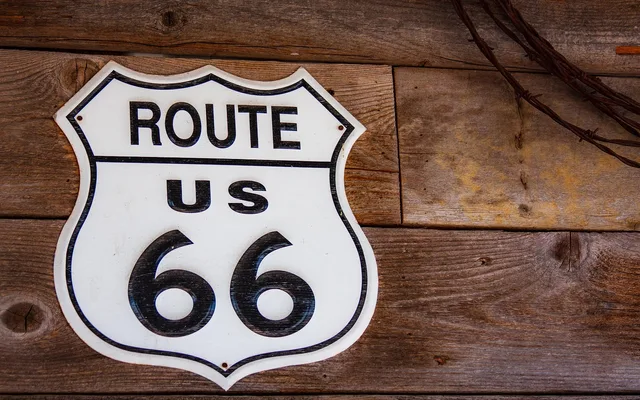
Mounting hardware dates a sign better than paint does. Porcelain enamel chips and holds color. Painted steel fades and rusts from the bottom edge. A cutout shield means the shape itself was the sign, which places it before the 1960s.
Button copy, where reflective letters are individual raised buttons, dates a guide sign to roughly the 1950s through the 1970s. Repainting is common and tells you nothing about age.
Where old signage survives
Old signs cluster where the road stopped being the main road. Bypassed alignments are the best hunting ground. Designated historic corridors are the easiest way to find them.
Some corridors still keep their own markers. The Lincoln Highway's standardized 1928 concrete posts, banded in red, white and blue, stand in parts of Illinois, Indiana and Wyoming. Blue Ridge Parkway mileposts sit at every mile, with wooden route signs at junctions, and the oldest date to the 1930s.
Colorado's Routt and Grand counties still carry rectangular green panels on county roads, some on original wooden posts. Ontario reissues blue and gold heritage markers on historic alignments and publishes a list of them.
Route 66 is the clearest case. The BLM Needles Field Office and 17 partners marked the first anniversary of the California Historic Route 66 Needles-to-Barstow Scenic Byway designation at the Harvey House hotel and depot in Needles.
The BLM's Historic Route 66 California Gateway Site sits about two miles west of the Colorado River off Interstate 40. The day use and picnic area has an information kiosk and a visitor log book that the agency says locals visit just to read.
Planning a run around them
Treat published drive times as minimums. A two-day loop between Gallup and Tucumcari covers roughly 400 miles of Route 66, but the stops themselves eat three to four hours.
Set a daily stop ceiling before you leave. Six signs a day is comfortable; twelve is a drive-by blur. Our two-day sign itinerary shows how to string them together without racing.
Common questions
Why name specific signs if they can vanish?
A list of sign types tells you nothing you can act on. A named sign gives you a place to check, a phone number to call, and a reason to go now rather than someday. Confirm the week you travel.
How do I date a sign?
Start with the shape and the mounting, not the paint. Repainting is common; hardware is rarely replaced. Porcelain, cutout shapes and button copy each bracket a sign to a period.
Can I photograph signs on private property?
From a public road, generally yes. Stay off the property, do not block traffic, and stop if asked. Land access rules vary by owner and by state, so check with the landowner or the managing agency.
Where are old signs most likely to survive?
On bypassed alignments, in small towns that never got a new highway, and inside designated historic corridors. What first-time visitors miss covers the reading errors that make people misdate what they find.
In this guide
- USA Travel: Accessibility Questions for Vintage Sign TripsUSA travel for vintage sign trips means checking viewing access, parking, surfaces, slopes, facilities, interpretation and safe pull-offs before setting out.
- Bypassed alignments and painted walls: a two-day vintage highway signs routeA two-day driving plan for old highway signage, built around bypassed alignments, painted walls and one interpretive anchor, with timings that hold up.
- Vintage highway signs tips for documenting a roadside findVintage highway signs tips for documenting a roadside find: read before photographing, inspect hardware and damage, and record marks, dates, and setting.
- Choose the bypassed town over the highway exit for a vintage sign tripHow to pick a base for a vintage sign trip: bypassed towns over highway exits, public campgrounds on historic routes, and what to confirm before booking.
- Vintage Highway Signs Businesses Can Save With DocumentationVintage highway signs businesses care for deserve careful documentation, safe stabilization, and guidance from preservation officials before repair.