Maintenance
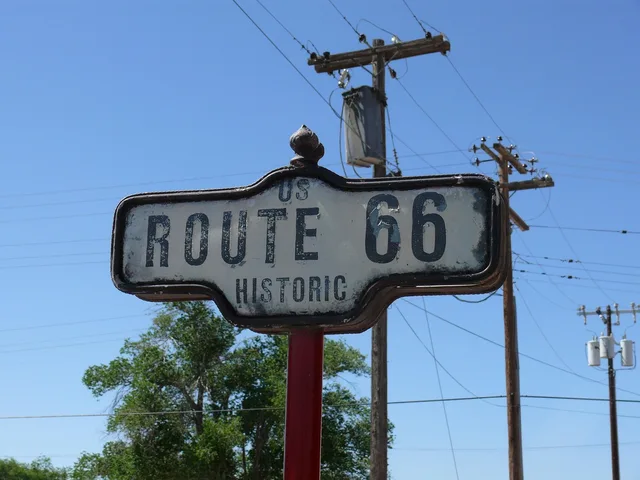
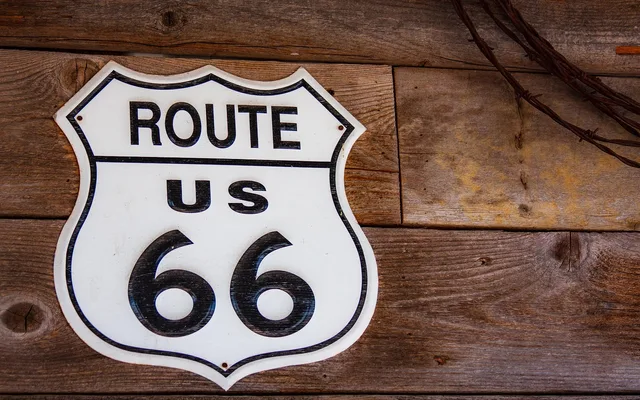
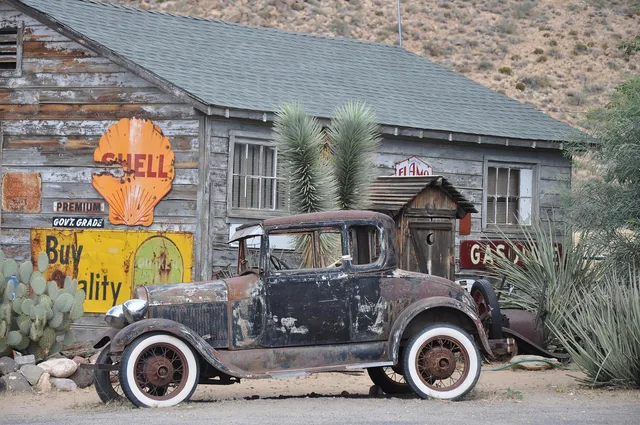
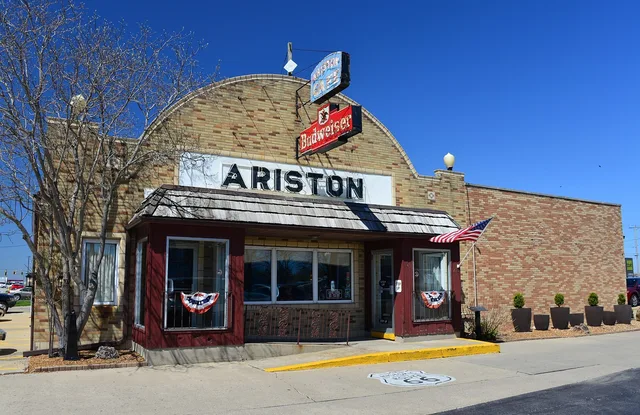
Part of Vintage highway signs worth a stop on Route 66 and other historic corridors
Vintage highway signs tips for documenting a roadside find
Vintage highway signs tips for documenting a roadside find: read before photographing, inspect hardware and damage, and record marks, dates, and setting.
What to take away
- Weathered signs can still carry active instructions; read before photographing.
- Check the post, brackets and mounting as well as the sign face.
- Damage, dates and maker's marks can help document a sign's condition.
- Record the setting, direction of travel and any small printed text.
Use these vintage highway signs tips to make a useful field record rather than relying on a photograph alone. A folder of attractive images can still leave wrong assumptions; read the sign, inspect its hardware and condition, and capture its setting.
Old-looking does not mean decommissioned
Weathered signage on public land is frequently still the operative instruction. Trail and route markers can be current signs, not historic artifacts. On American roads, traffic-control signs follow the Federal Highway Administration's Manual on Uniform Traffic Control Devices, or MUTCD; read before photographing.
The BLM's red-dot trail-marker system is an example of current trail access guidance, not a way to date a vintage highway sign. A faded marker may still be active. Read first, photograph second.
Read the hardware, not just the face
Paint gets refreshed; posts and brackets rarely do. Look at the post material — wood, steel U-channel, perforated square tube, or a breakaway post — then the bolt pattern, the number of mounting holes, and whether the sign was drilled to fit a later bracket. A repainted face on original hardware is a different object from a modern reproduction on a new post, and only the second one is a fake.
Breakaway posts are a useful clue to when a mounting went in. Design work on breakaway roadside supports started in the late 1950s, and a 1966 Federal Highway Administration Instructional Memorandum stated that breakaway structures must be used on unprotected sign supports next to the shoulder on Federal Aid Highways. Record the post type separately from the face, because an old face can sit on a later, safer post.
Then record how the face itself is made, in plain words: porcelain enamel, embossed or flat metal, a cutout shield shape, painted wood, or raised reflective lettering. Those descriptions are what a historical society or preservation office will ask for first.
Damage is evidence, not a flaw
New photographers crop out the damage, but do not. Bullet holes, bent corners and rust record how a sign has lived, and agencies say so plainly.
The BLM crew notes its markers are often used for target practice, run over or cut down. For a field record, photograph any damage in context; damage alone does not establish a sign's age.
Replicas, reproductions and honest restorations
Three different things get mistaken for each other. A restoration is the original object repaired. A reproduction is a new object made to the old pattern, often by a preservation group and often labeled. A replica is a decorative copy with no claim to accuracy. All three are worth photographing. Only the first tells you anything about the road.
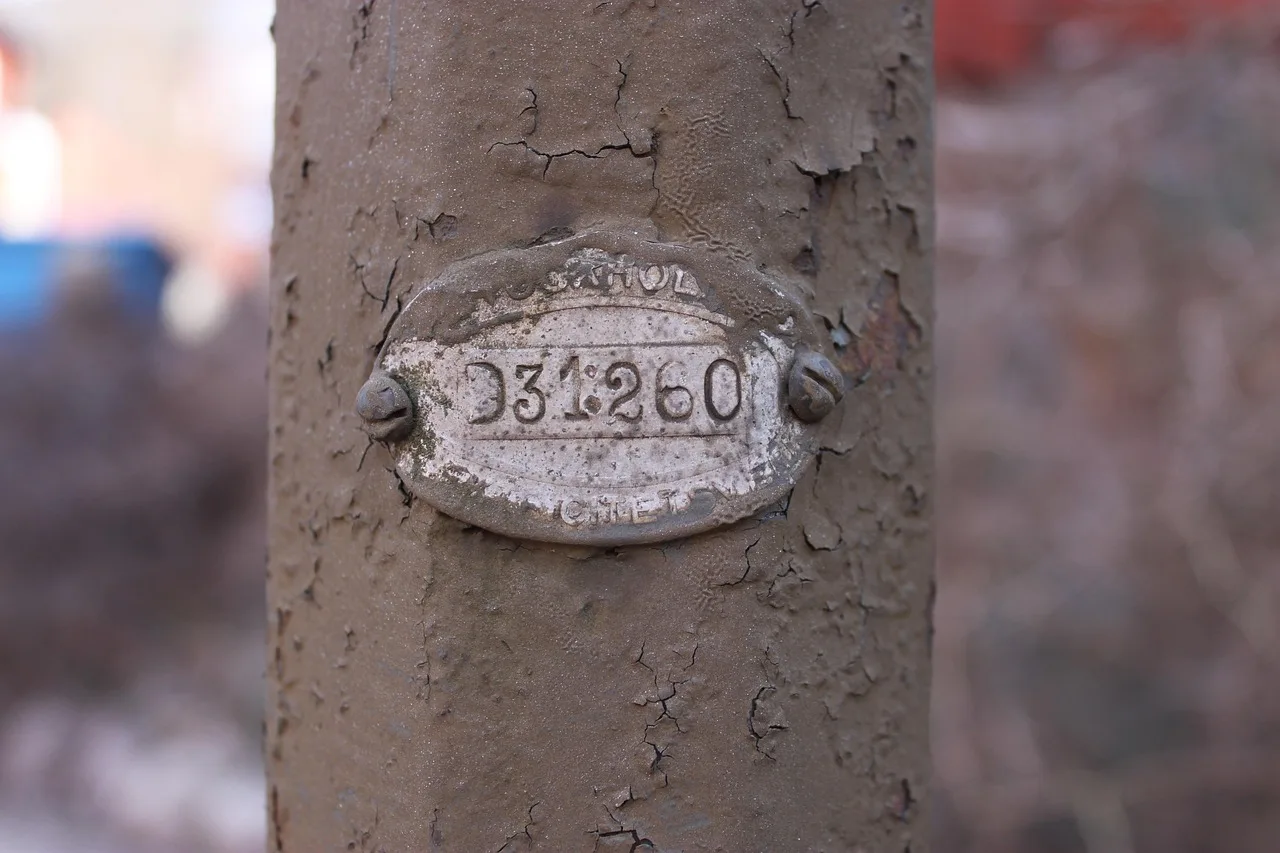
Check for a maker's mark, a date stamp on the back, and whether the reverse has the wear the front does.
The information you are standing next to
First-timers photograph the sign and drive off, missing the interpretation twenty feet away. Sites increasingly staff that gap with people, not boards.
The BLM estimated almost 620,000 visits to its Monticello Field Office in one fiscal year at Bears Ears National Monument. There, partners hired stewards who ran informal weekend sessions with visitors during the busy season, handing out practical guidance rather than leaflets. Someone standing near a site usually knows what the sign used to say.
A short discipline that fixes most of this
Photograph the face, the back, the post and the setting. Note the road number and direction of travel. Write down anything printed in small type. That takes ninety seconds and turns a picture into a record.
To put a name on what you recorded, compare it with our list of sixteen vintage sign types. For the local history behind a particular sign, the state historic preservation office or the county historical society is usually the fastest place to ask.
For the formal end of documentation, the National Park Service runs the Historic American Engineering Record (HAER), founded in 1969 to record America's engineering and industrial heritage. HAER documents transportation systems and infrastructure among much else, which is the tradition a careful field record of a roadside sign belongs to.